
SNAKED
Medical Emergency Stretcher
2026
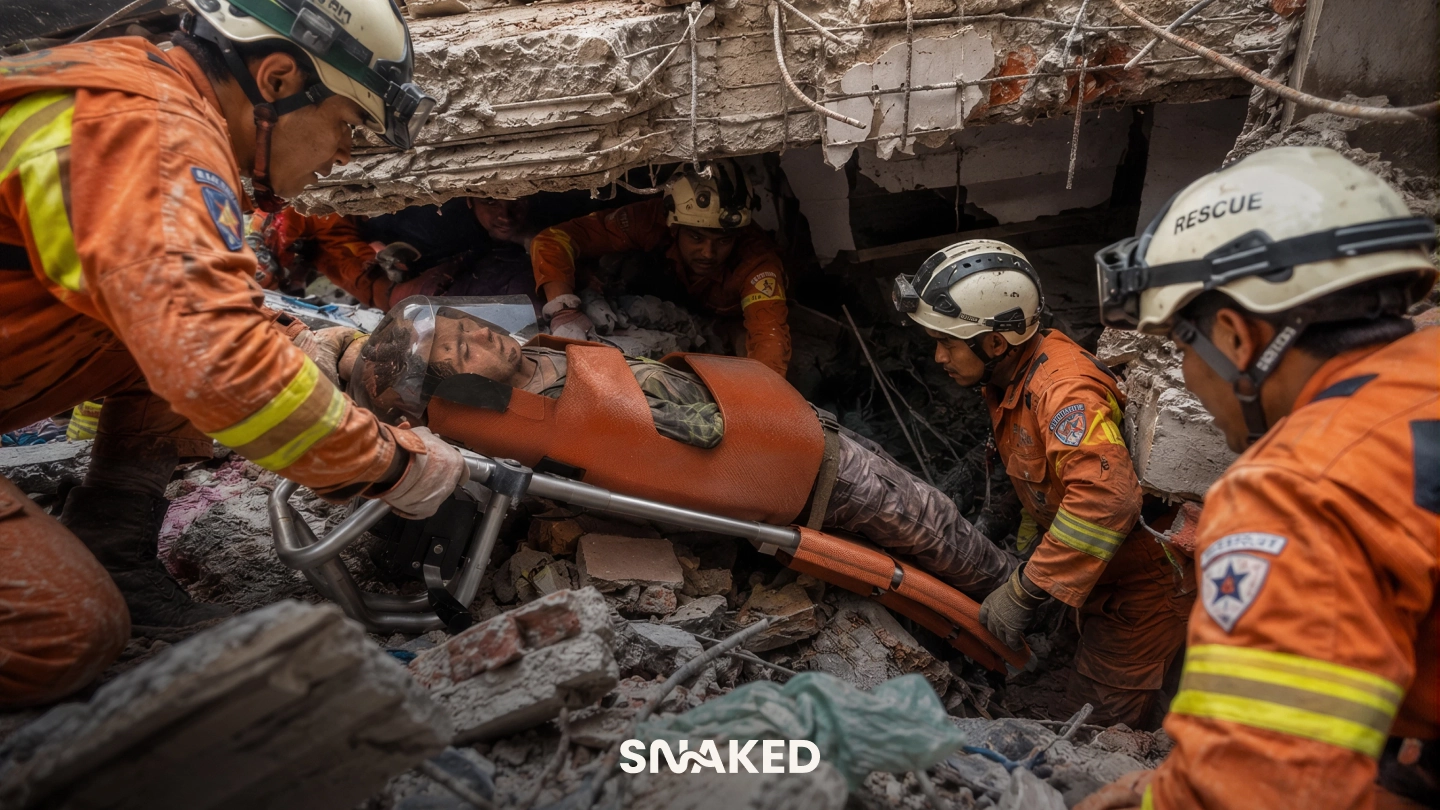
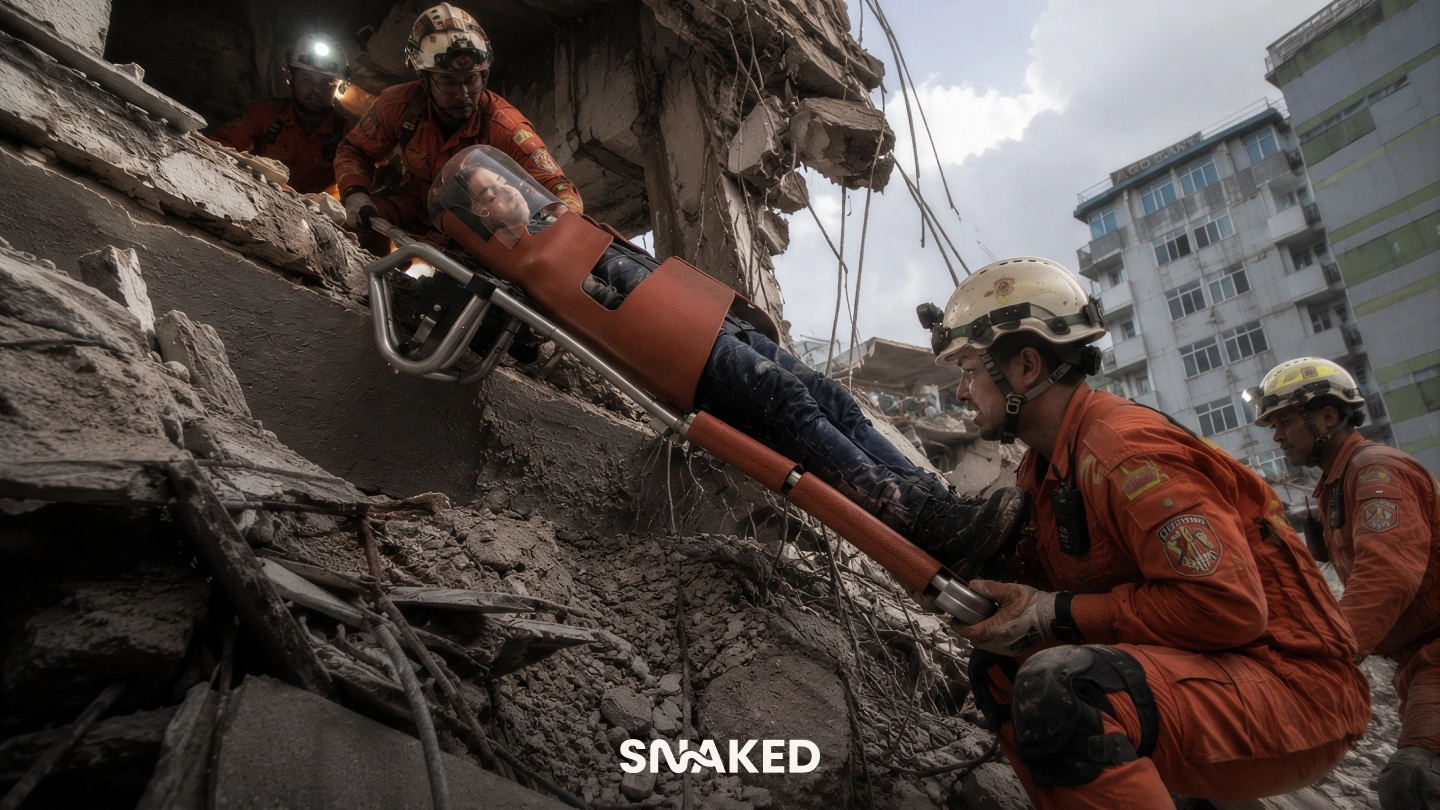
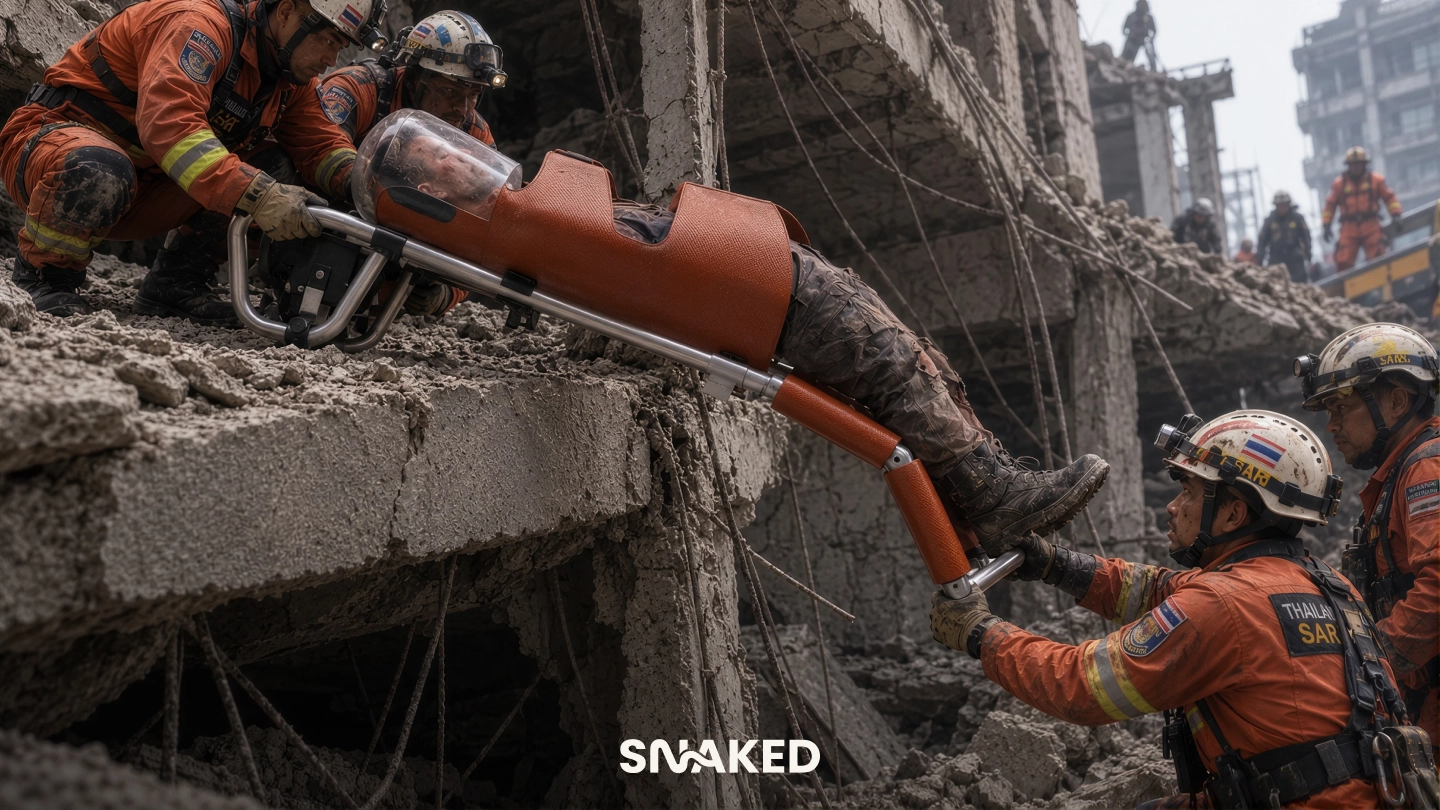
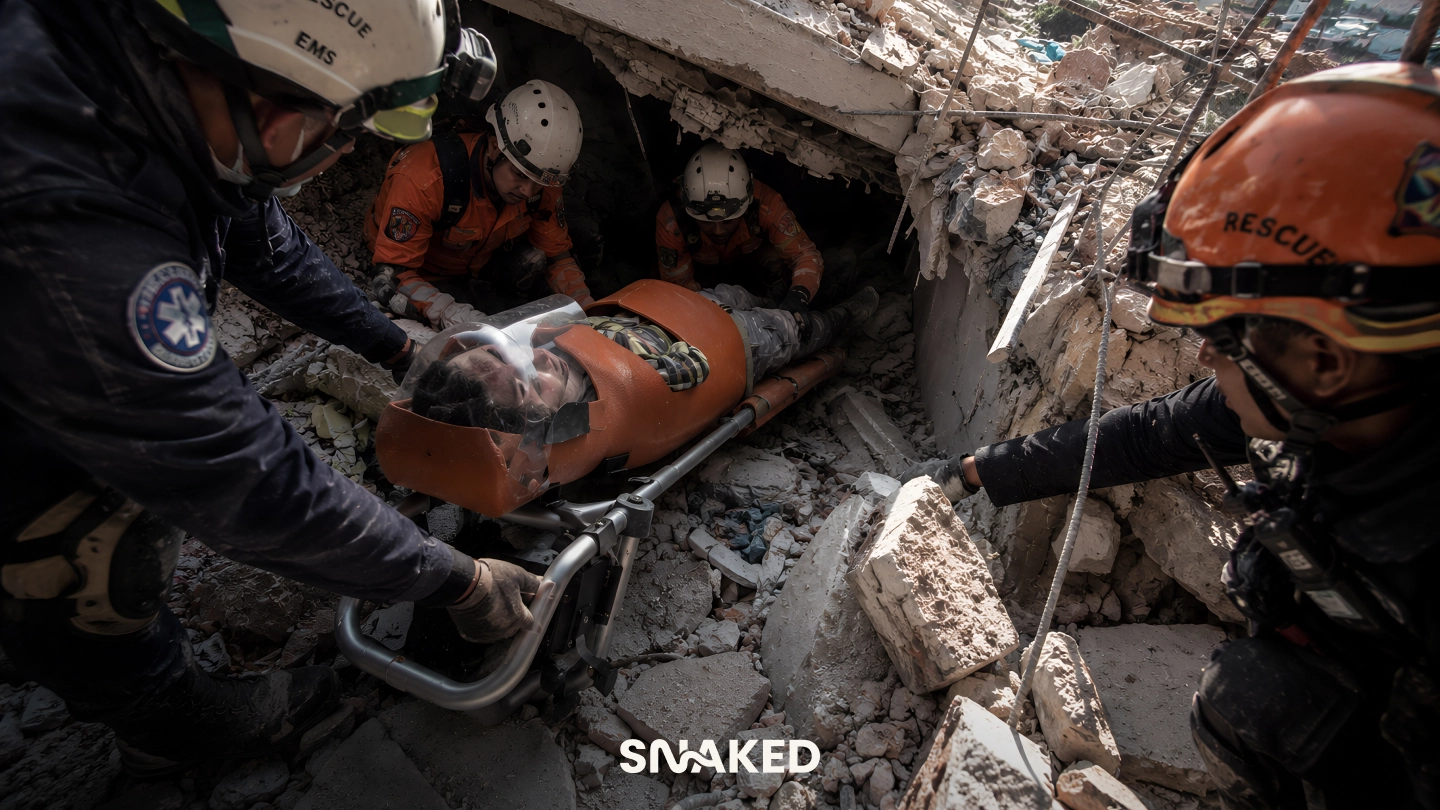
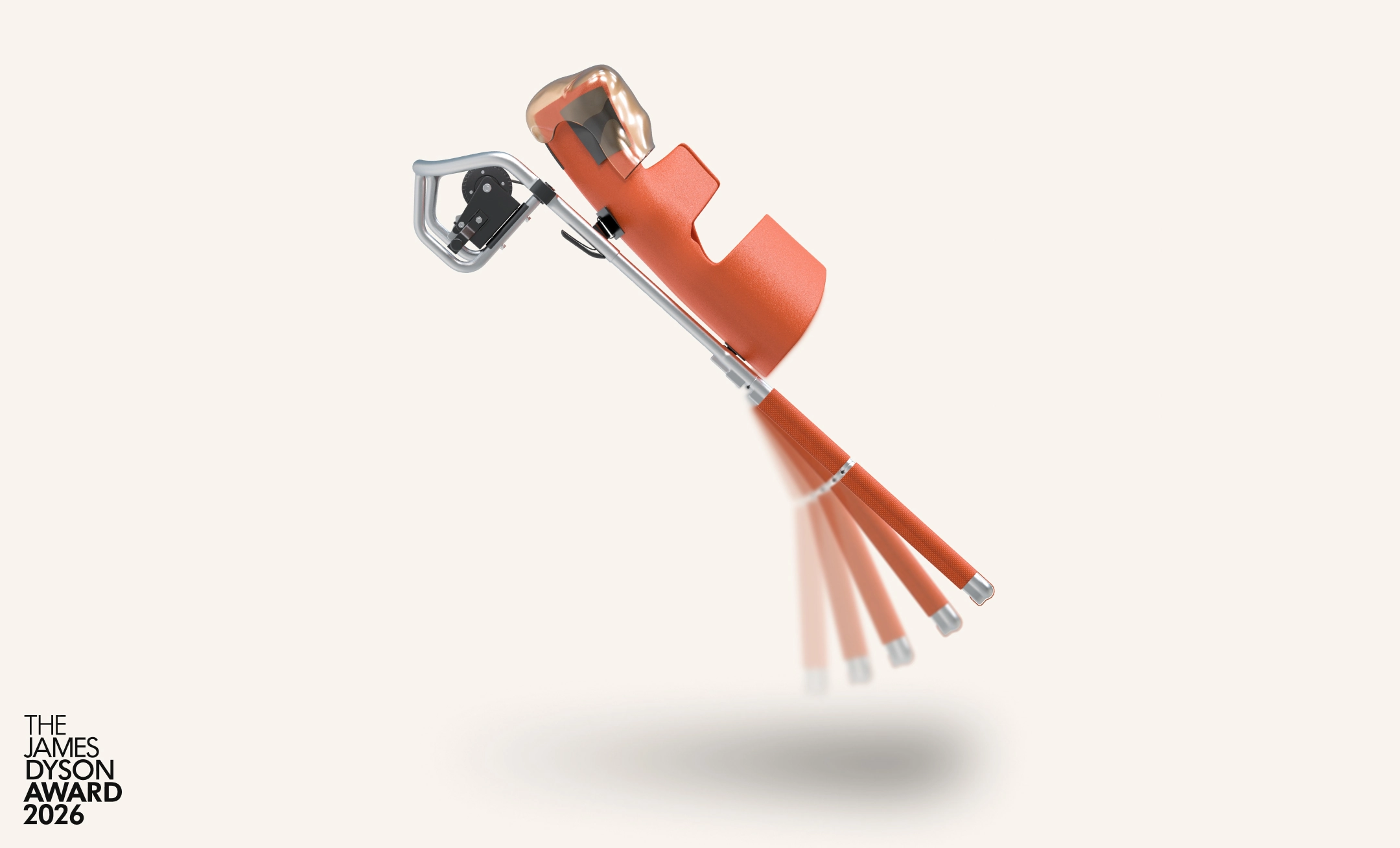
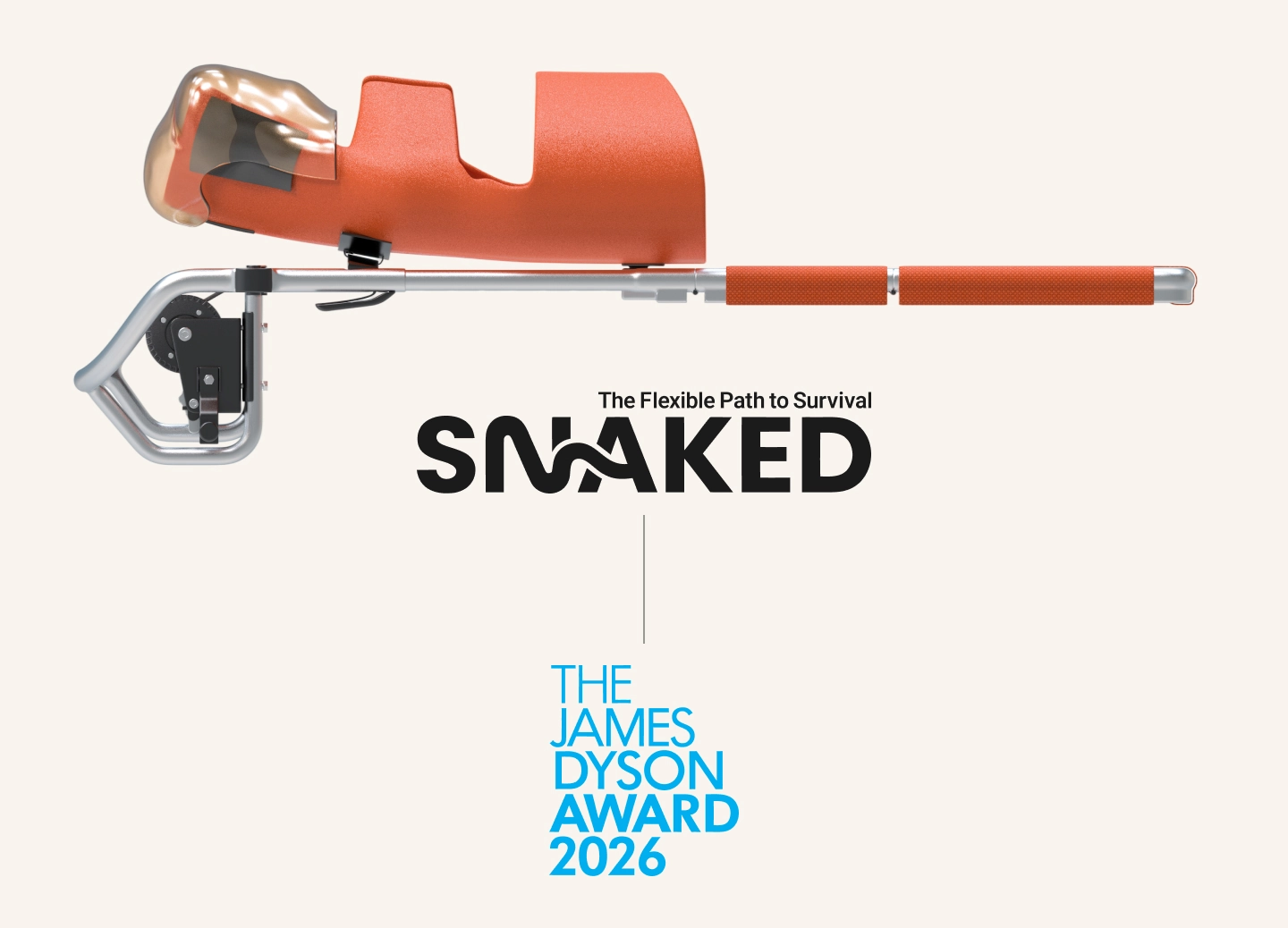
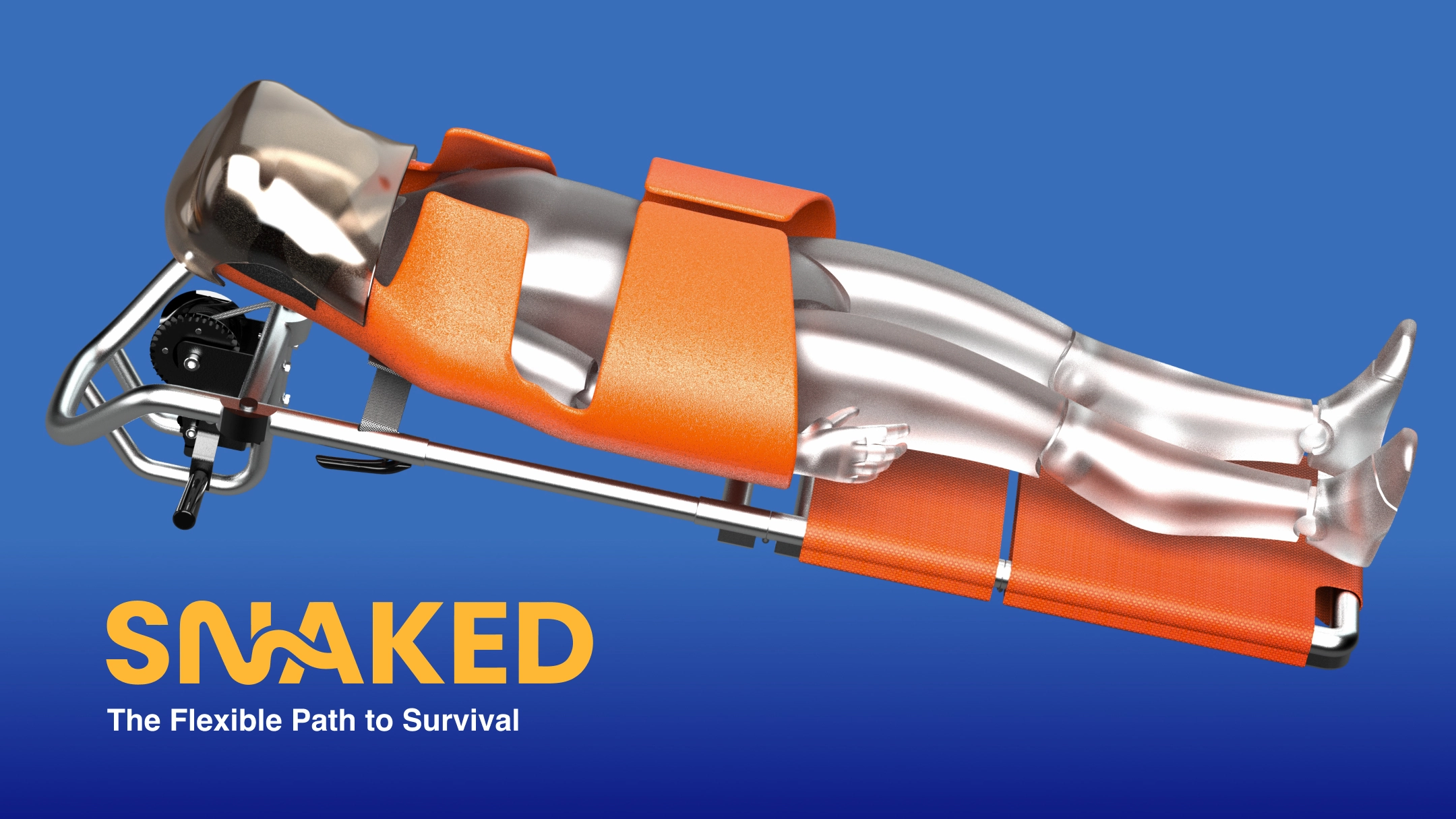
SNAKED is a specialized rescue stretcher designed for collapsed environments.
Every year, disasters such as earthquakes and wars cause massive casualties due to collapsed structures.
Traditional stretchers are inefficient in these narrow and irregular terrains.
SNAKED innovates the entire rescue process—Approach, Secure, and Transport—to increase the 1% chance of survival in the golden hour.
SNAKED는 구조물 붕괴라는 특수한 재난 환경에 최적화된 구조용 들것입니다.
대지진과 전쟁 등으로 인해 매년 대규모 매몰자가 발생하지만, 기존의 들것은 좁고 불규칙한 지형에서 심각한 구조 지연을 초래합니다.
SNAKED는 접근, 고정, 이송이라는 구조의 3단계를 혁신하여 단 1%의 생존 가능성이라도 더 높이고자 합니다.

“ We thought it was our lack of skill.
18 months in the dirt taught us otherwise—
it was the gear itself. ”
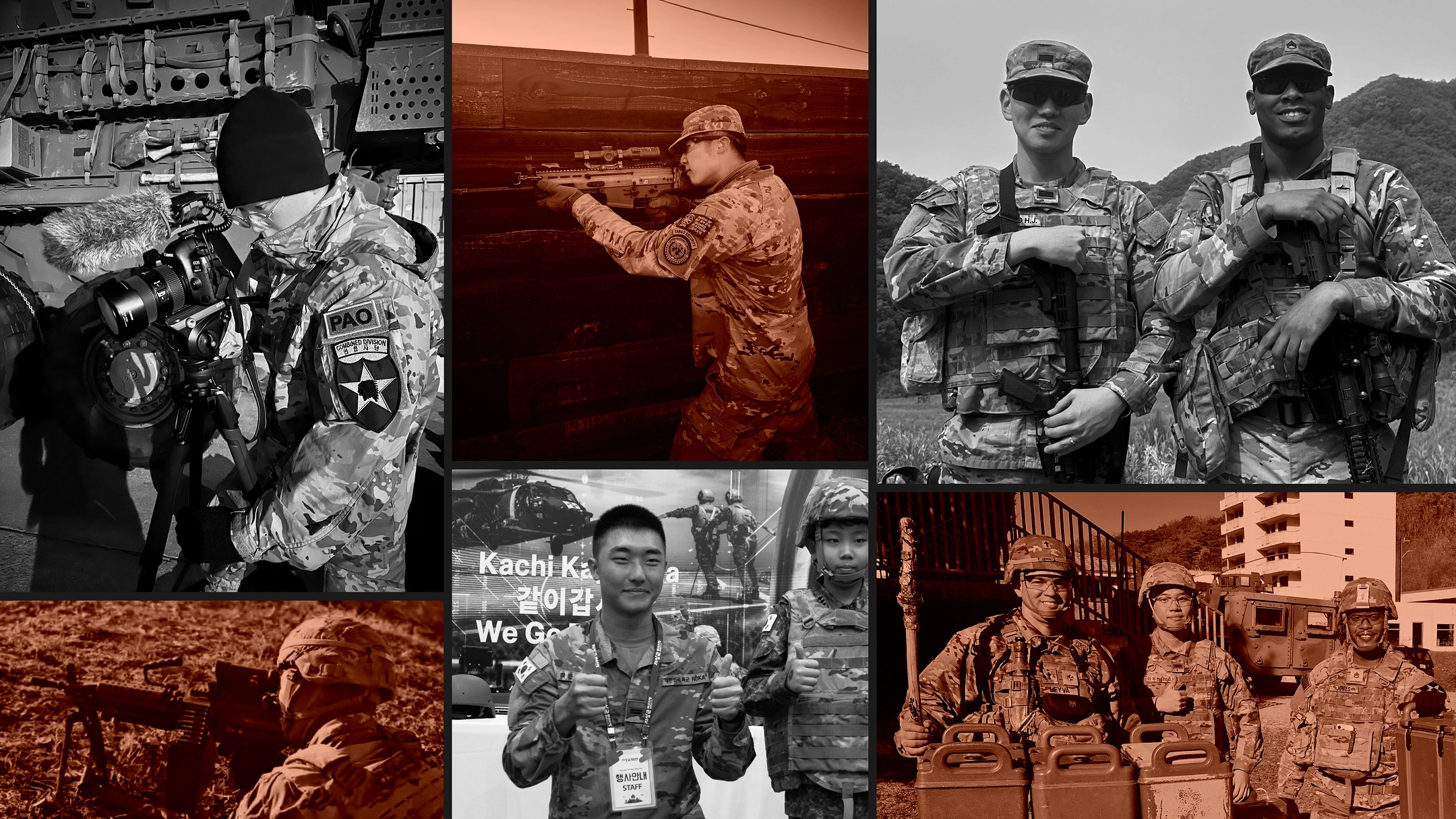
Our team of five shares a unique background: we all served as KATUSA (Korean Augmentation To the United States Army) soldiers. Despite having different specialties—three in public affairs, one in combat infantry, and one in chaplaincy—we were brought together by our shared experience of living and training closely alongside the U.S. Army for 18 months.
저희 5명의 팀원은 카투사(KATUSA)로 복무했다는 특별한 공통점을 가지고 있습니다. 3명의 공보병, 1명의 전투병, 1명의 군종병 등 서로 병과는 달랐지만, 미군과 함께 18개월간 동고동락하며 실전 같은 훈련을 완수했습니다.
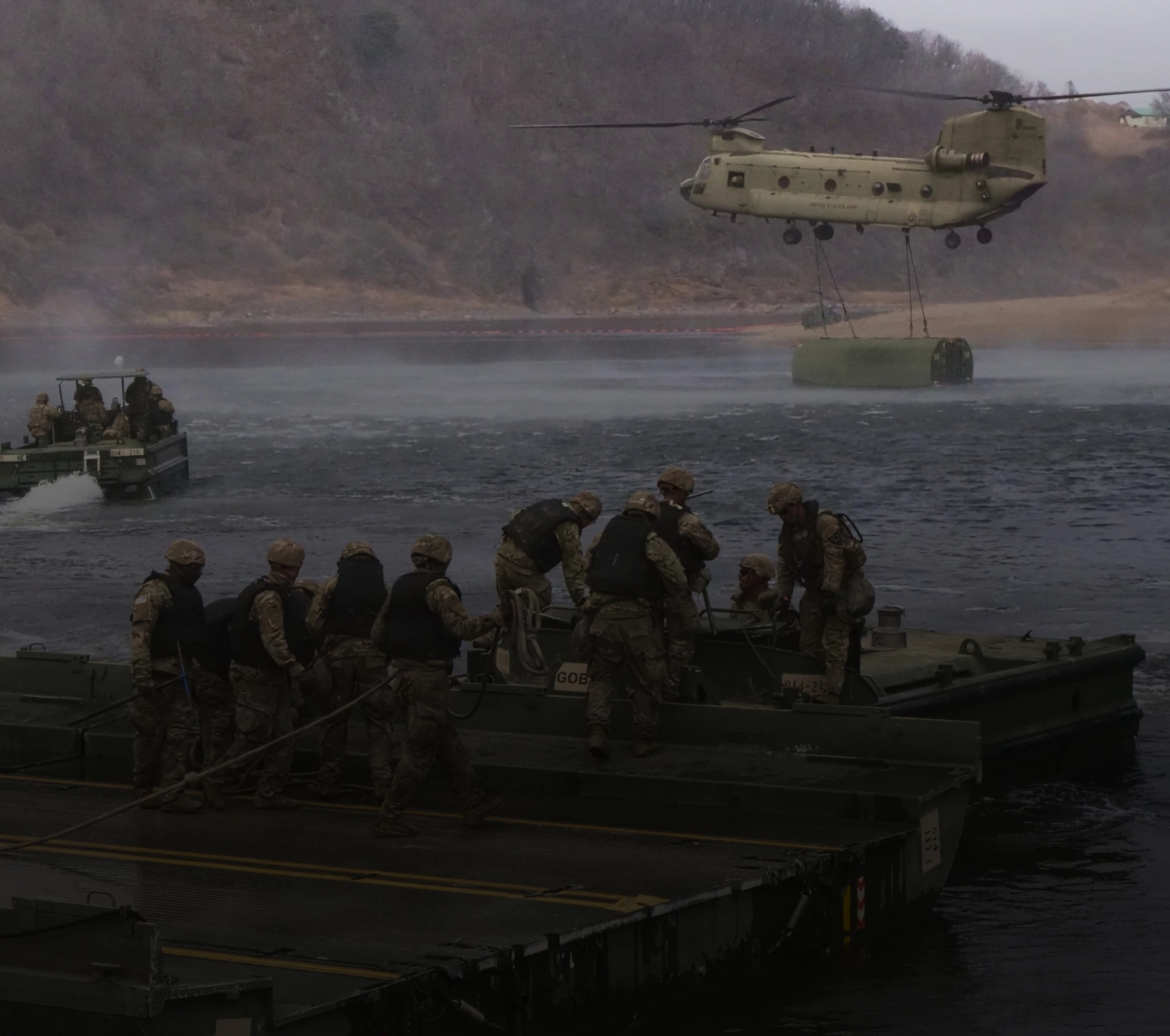
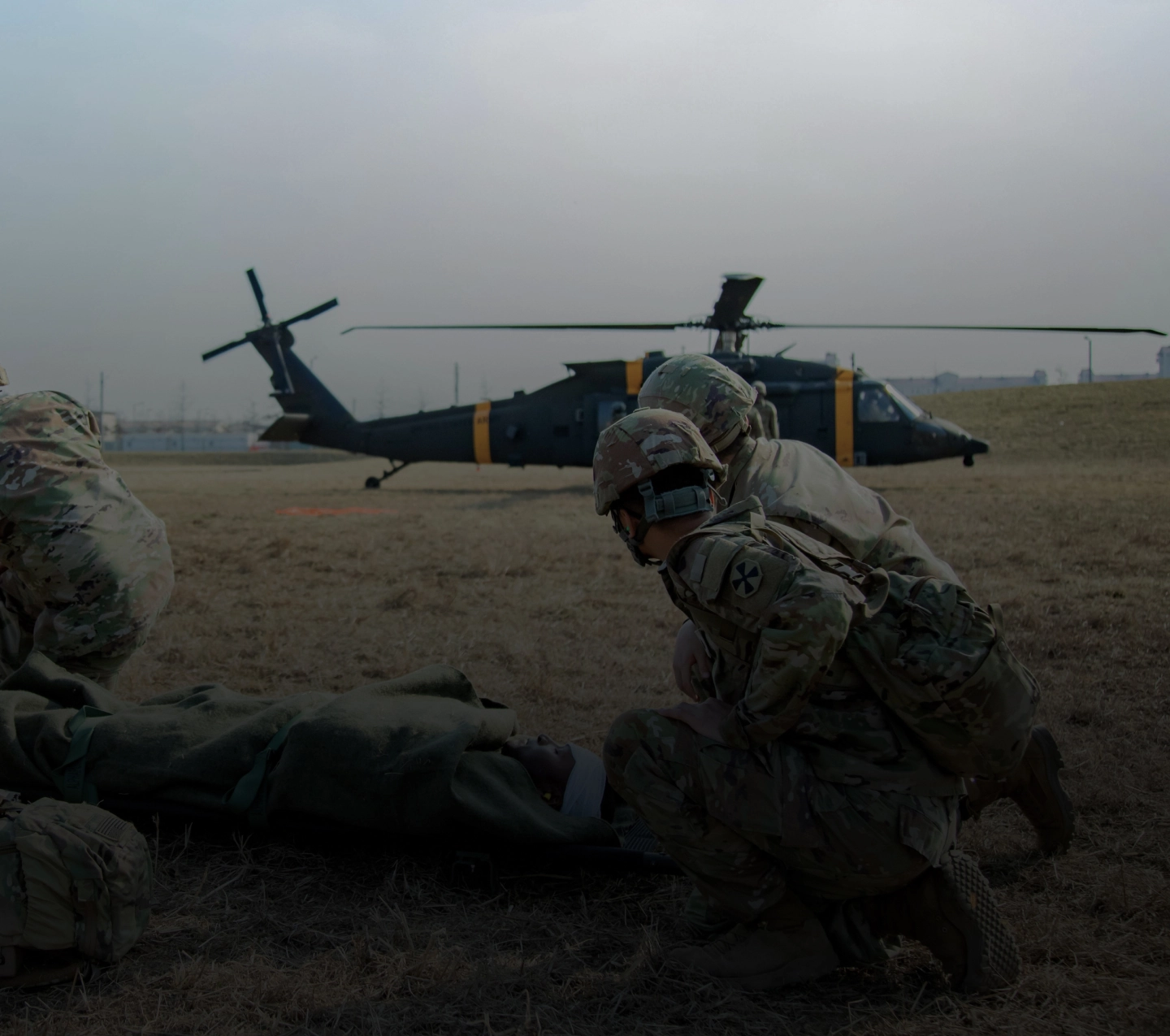
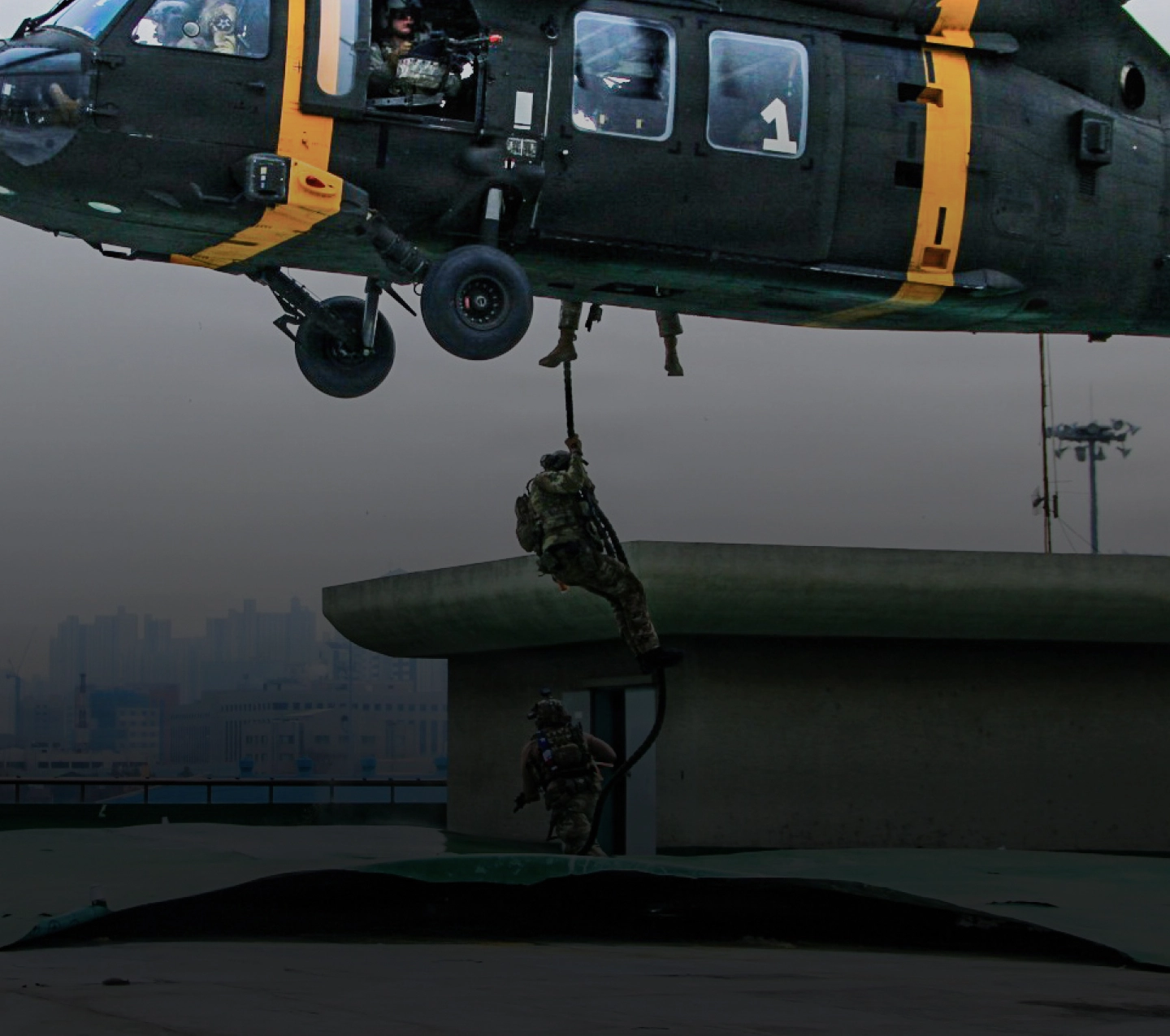
During this time, we had the rare opportunity to participate in major joint operations, such as WGX, AASLT, and MEDEVAC. Conducting rescue missions across diverse and extreme terrains—including mountains, urban areas, and coastlines—taught us a profound lesson. We experienced firsthand how harsh environments can critically impact life-saving operations.
이 기간 동안 저희는 WGX, 공중강습(AASLT), 의무후송(MEDEVAC) 등 대규모 연합 훈련에 참여하는 값진 기회를 얻었습니다. 산악, 도심, 해안을 아우르는 극한의 지형에서 실제 전장 장비로 구조 임무를 수행하며, 가혹한 환경이 인명 구조에 얼마나 치명적인 영향을 미치는지 피부로 느낄 수 있었습니다.
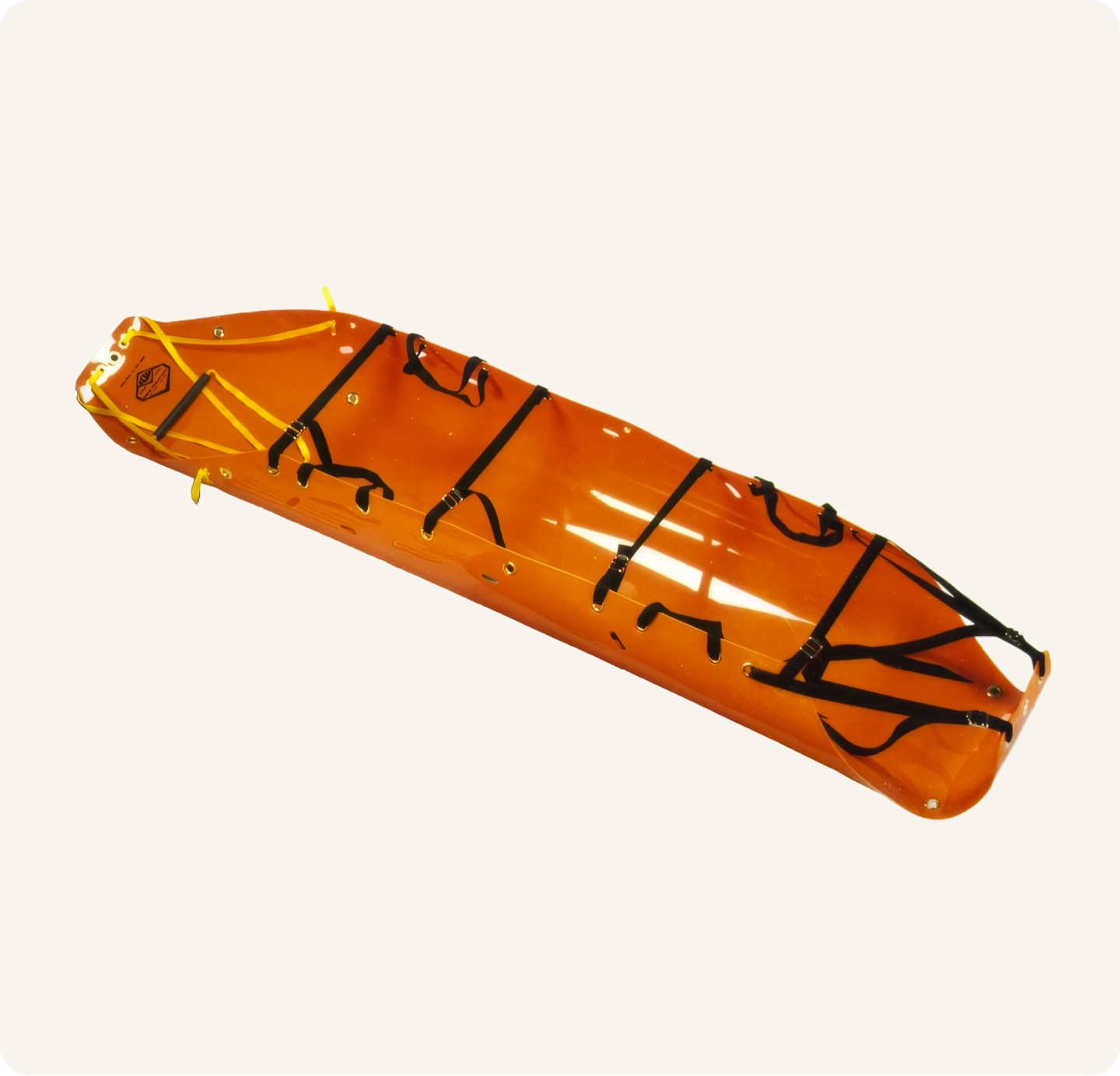
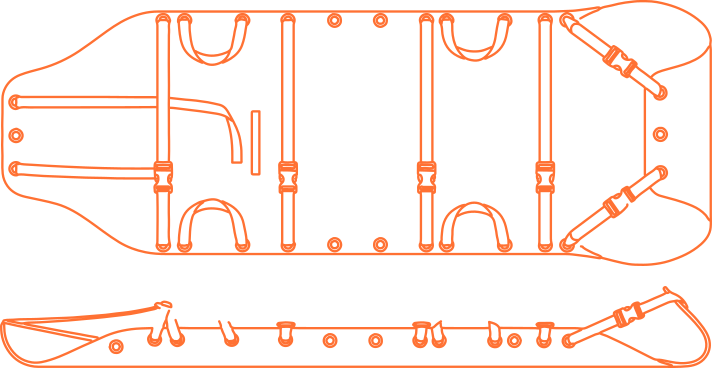
Among all the battlefield equipment we utilized, the one we relied on most was the 'SKED' stretcher. It is a semi-rigid, plastic sled-type device designed to securely wrap and extract casualties from confined spaces or rugged terrain.
이 수많은 훈련 과정에서 저희가 가장 많이 다루었던 장비가 바로 'SKED(스케드)' 들것이었습니다. SKED는 미군이 협소한 공간이나 험준한 지형에서 사상자를 안전하게 감싸 구출할 때 널리 사용하는 반강성 플라스틱 썰매형 장비입니다.
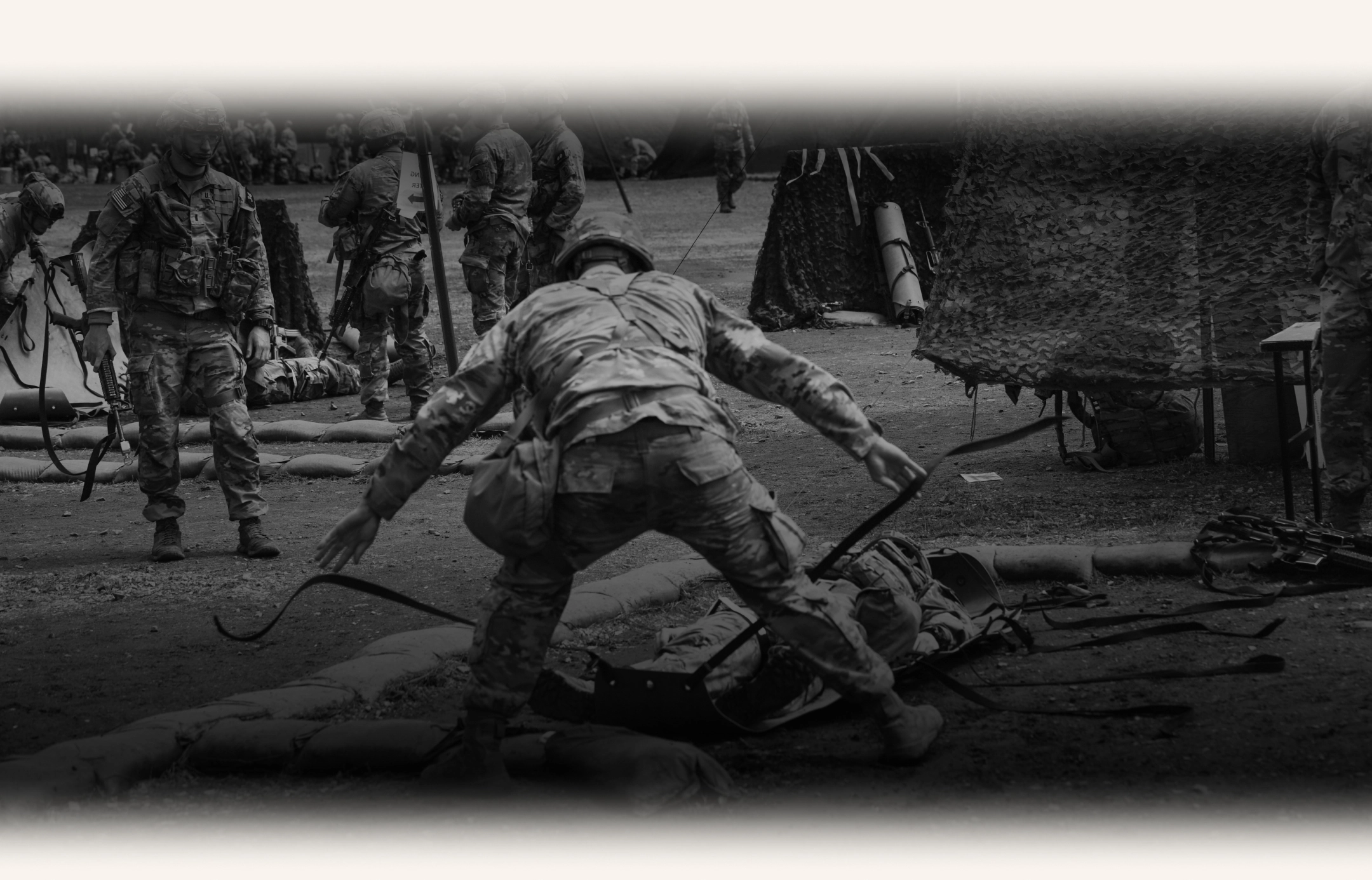
By taking on the roles of both the rescuer dragging the stretcher and the casualty being transported, we experienced its limitations firsthand. What was supposed to be life-saving gear was, in reality, dangerously inefficient and agonizing for the patient.
저희는 구조대원으로서 들것을 직접 끌어보고, 때로는 환자가 되어 이송되면서 이 장비의 한계를 온몸으로 겪었습니다. 생명을 구해야 할 장비가 실제 현장에서는 구조를 지연시키고 환자에게 극심한 고통을 주고 있었습니다.
“ Good Anywhere
simply means Great Nowhere. ”
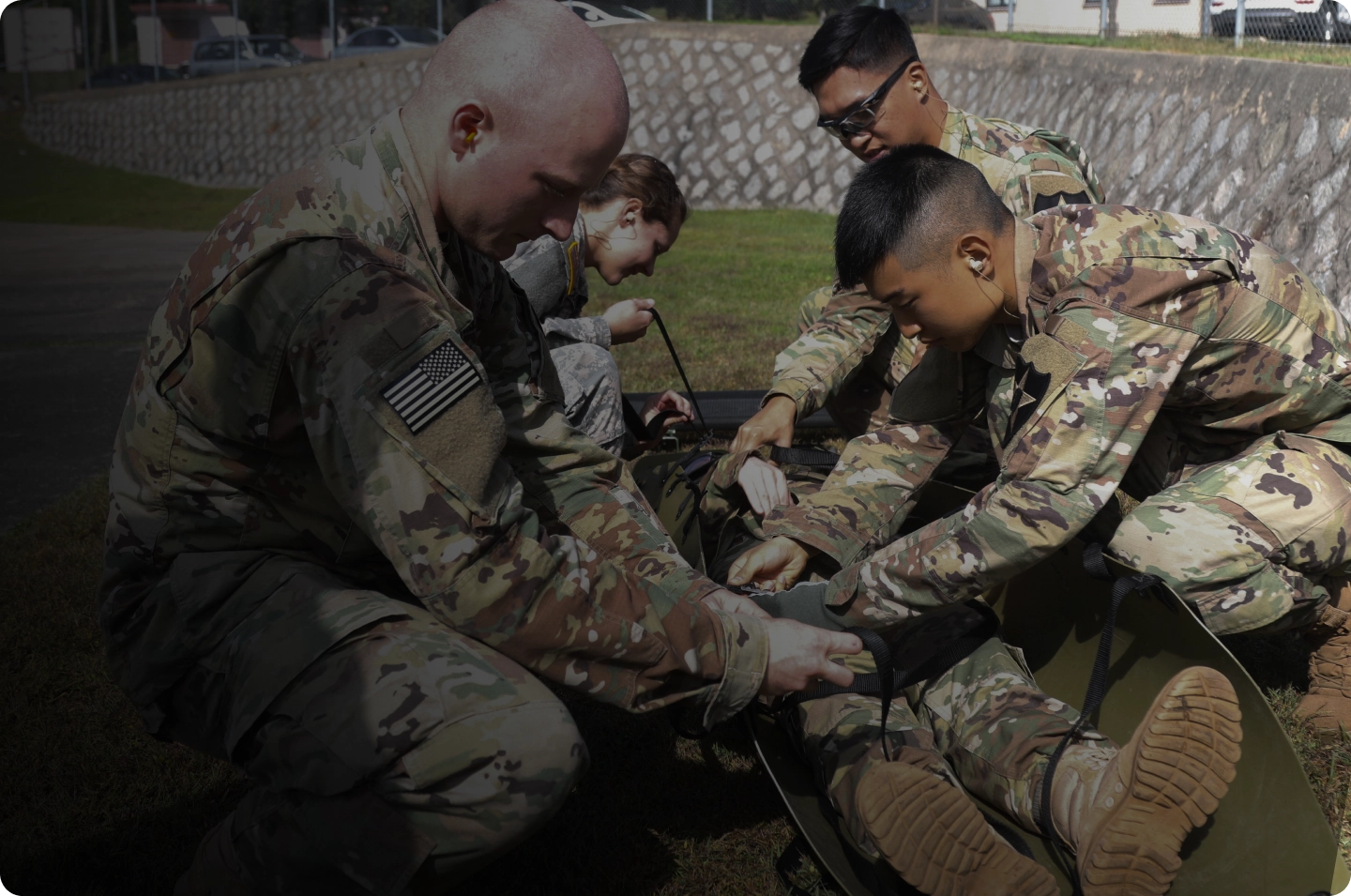
01. Complex Strapping
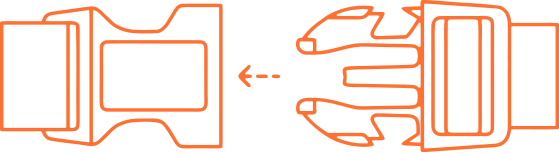
Securing a victim requires connecting more than ten straps and buckles. In dark and confined spaces, even experienced rescuers take over 10 minutes, critically delaying the operation.
긴급한 상황에서 환자를 결속하기 위해 10개 이상의 스트랩과 버클을 연결해야 합니다. 어둡고 협소한 공간에서는 고정에만 10분 이상을 소요하며 골든타임을 놓치게 됩니다.
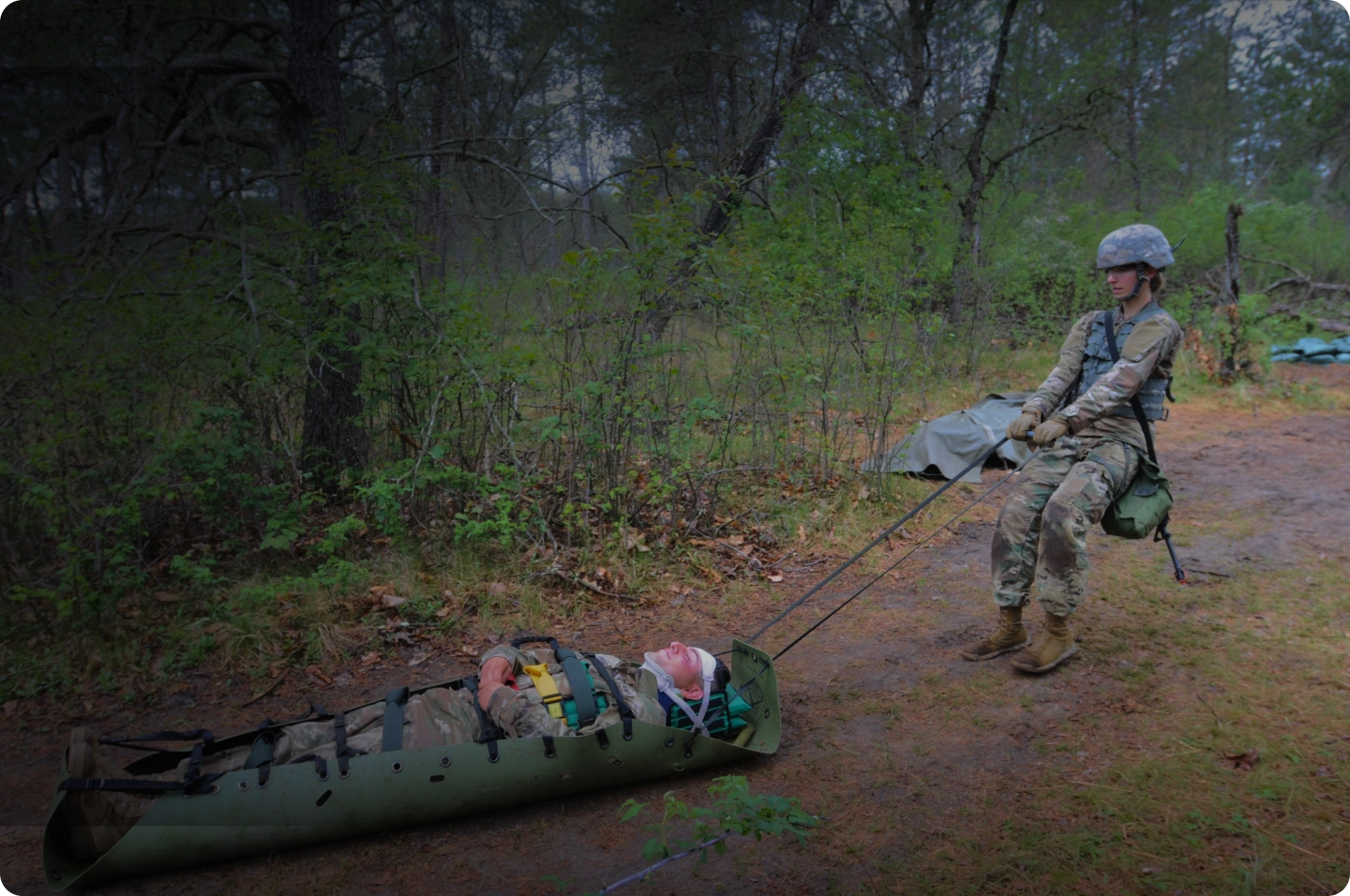
02. Direct Ground impact
With only a thin plastic sheet between the patient and the ground, shocks from rocks and stairs are directly transferred, risking severe secondary injuries.
이송 과정에서 환자와 지면 사이에는 얇은 플라스틱 판 하나만 존재합니다. 바위와 계단의 충격이 환자에게 그대로 전달되어 심각한 2차 손상을 유발할 위험이 큽니다.
“ Can One stretcher handle Every Disaster?
Our answer is No. ”
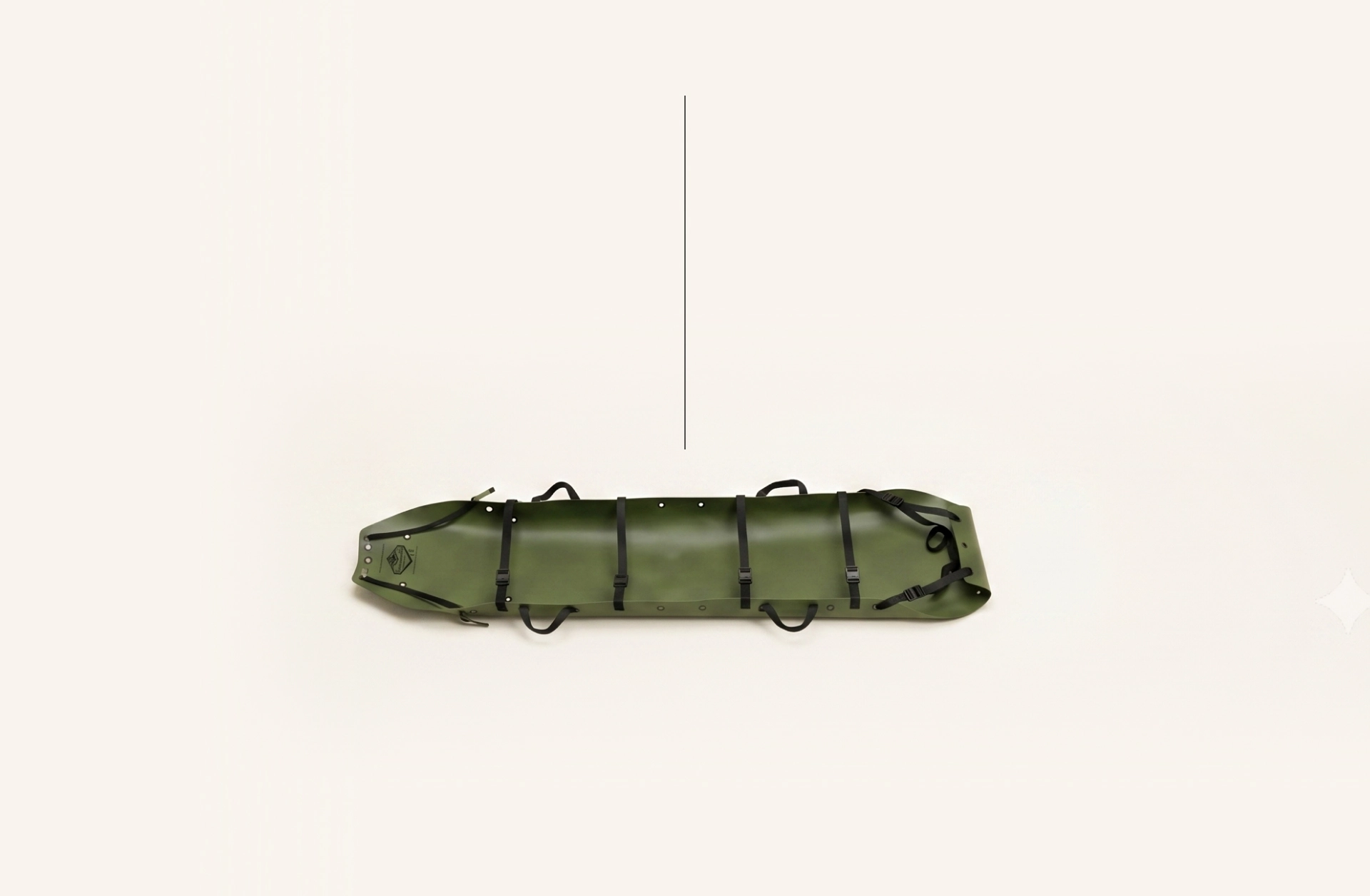
The Illusion of Versatility
Being usable everywhere meant it was optimized for nowhere.
Its profound discomfort was a fundamental flaw, not a lack of proficiency.
어디서든 쓸 수 있다는 것은, 어디서도 최적이 아니라는 뜻이었습니다.
수많은 훈련을 거듭하며 저희는 이 불편함이 숙련도 부족이 아닌 '장비 자체의 치명적 결함'임을 깨달았습니다.
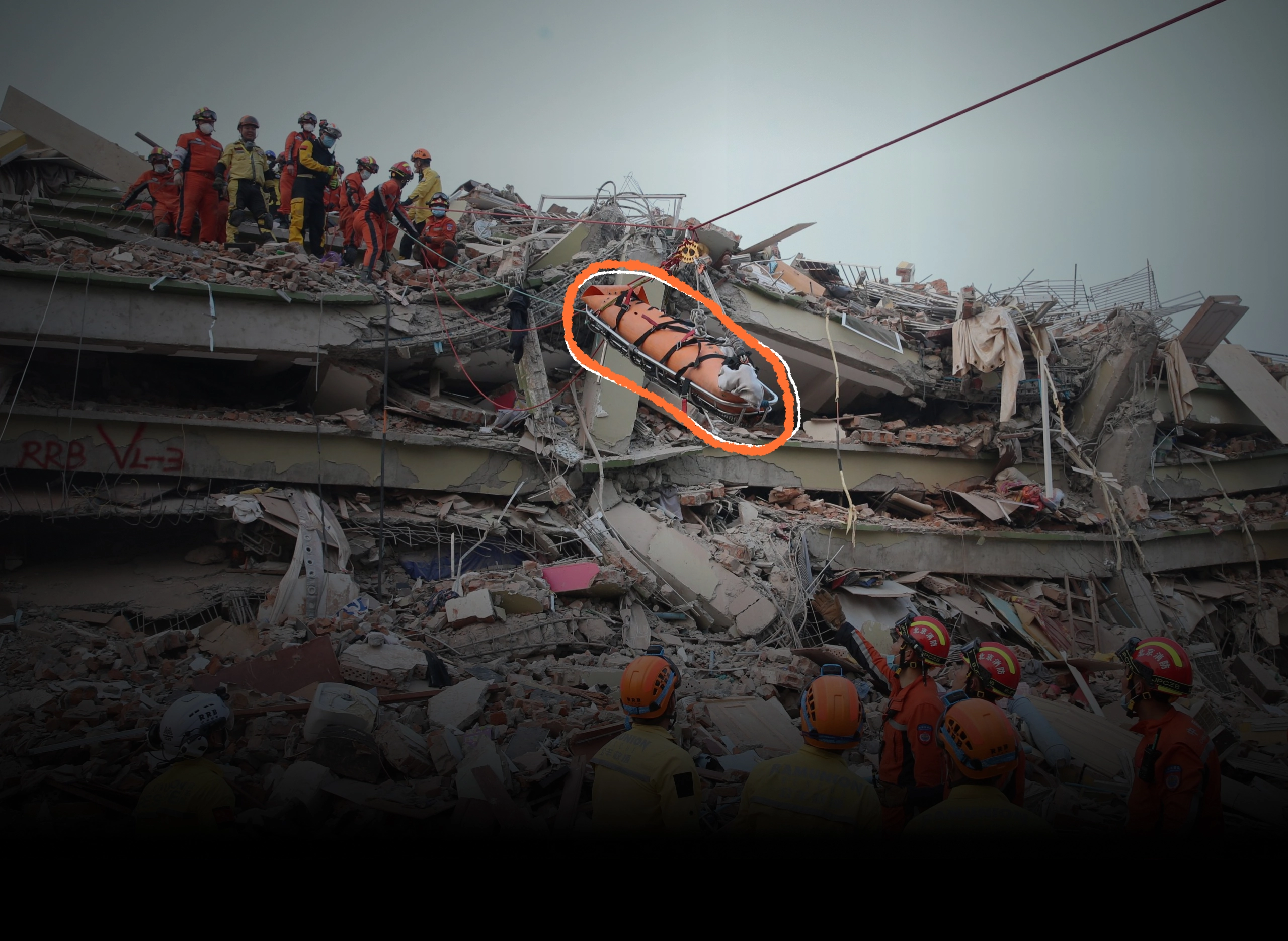
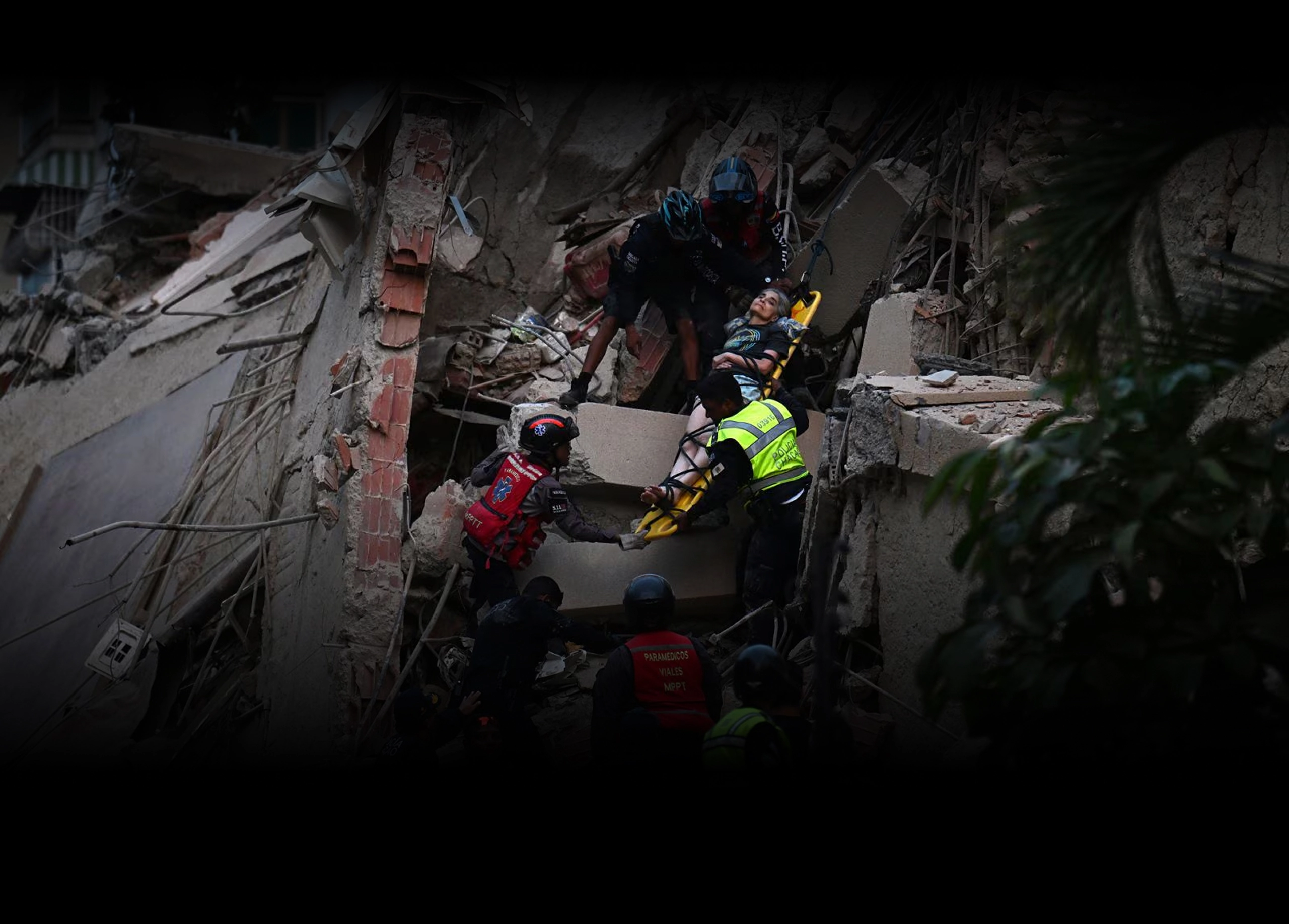
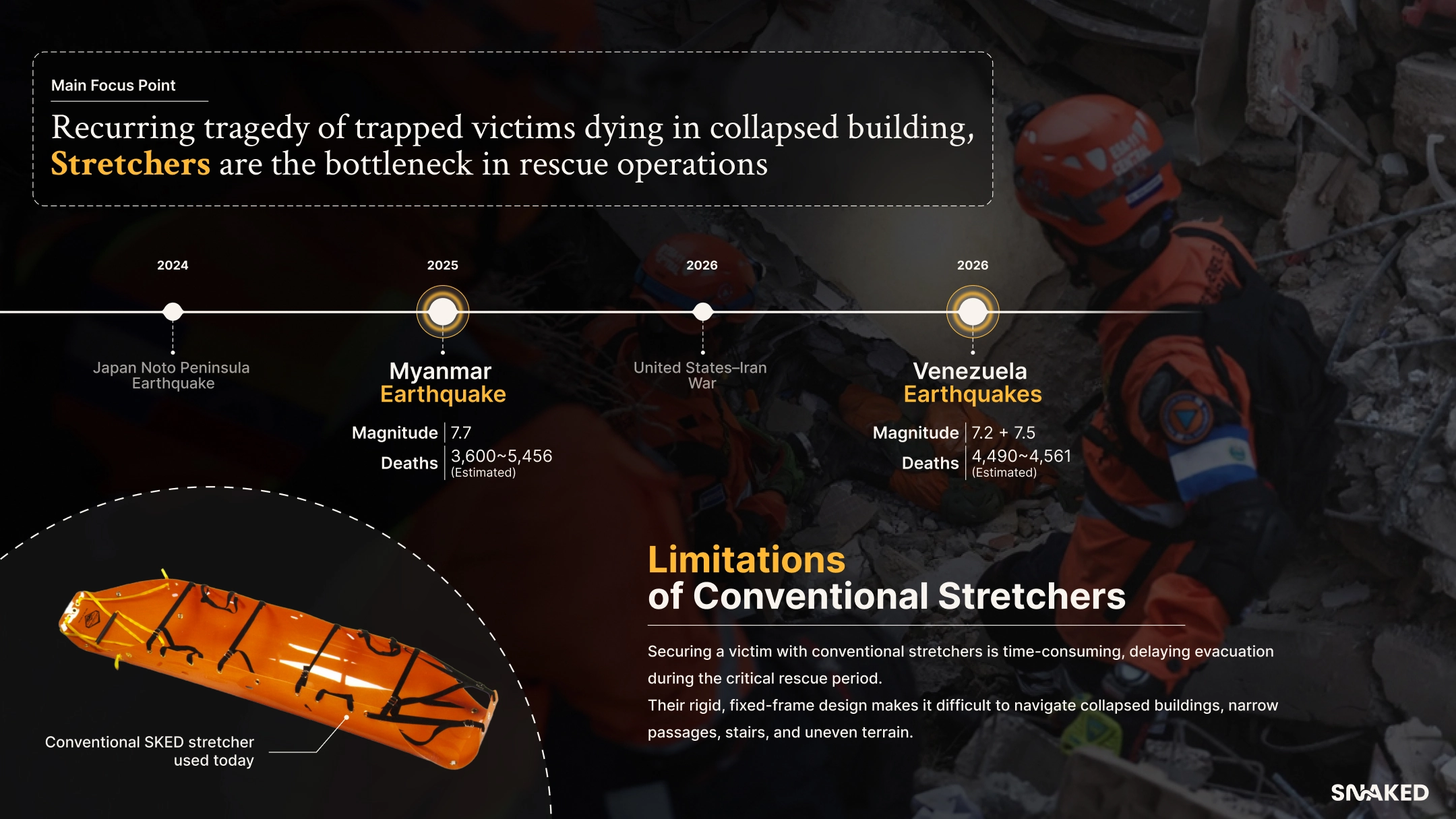
" Stretchers " are the true bottleneck in rescue operations.
다름 아닌 "들것"이었습니다.
Earthquake
| Magnitude | 7.7 |
|---|---|
| Deaths | 3,600~5,456 (Estimated) |
War
| Magnitude | 7.2 ~ 7.5 |
|---|---|
| Deaths | 4,490~4,561 (Estimated) |
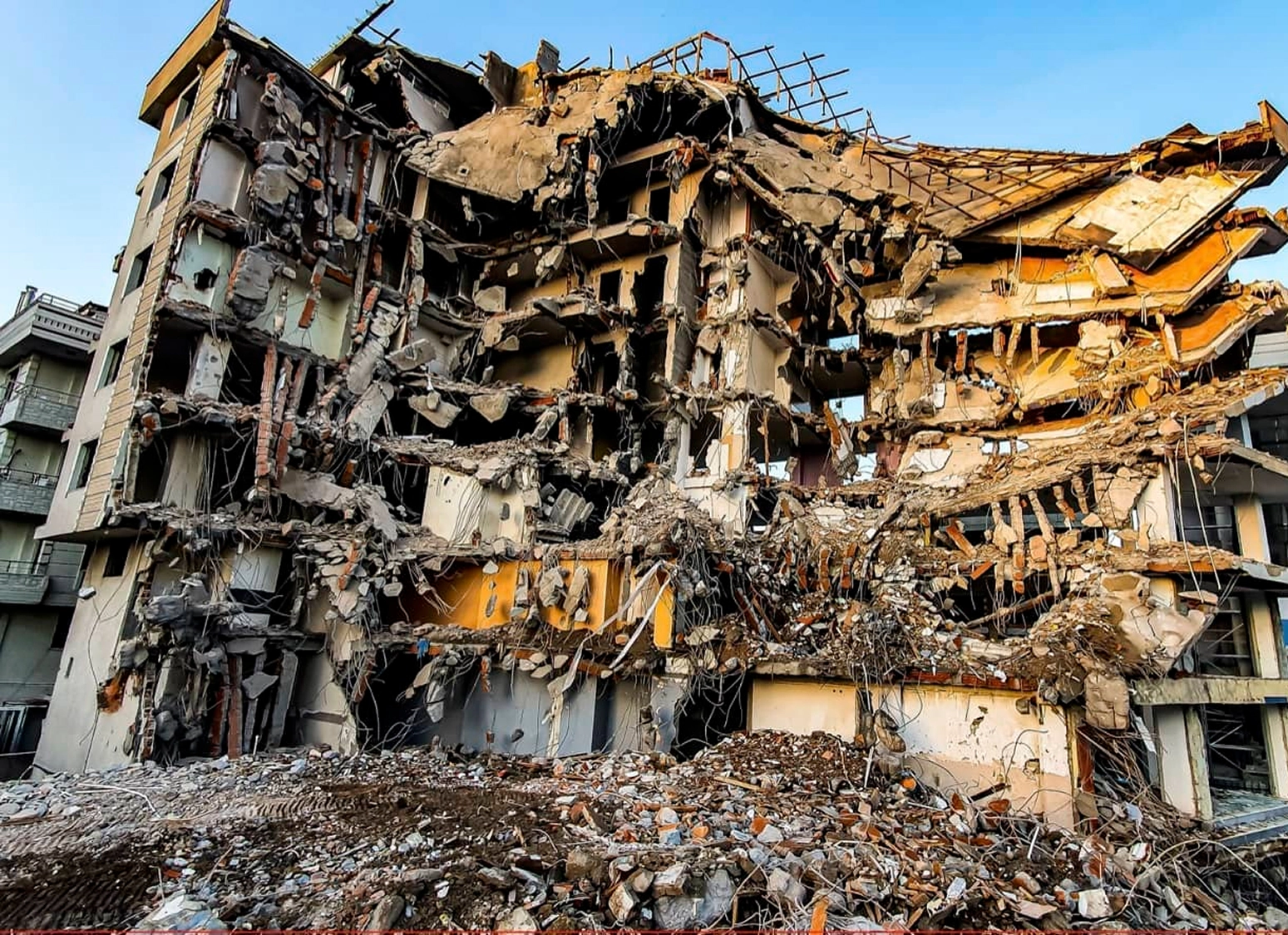
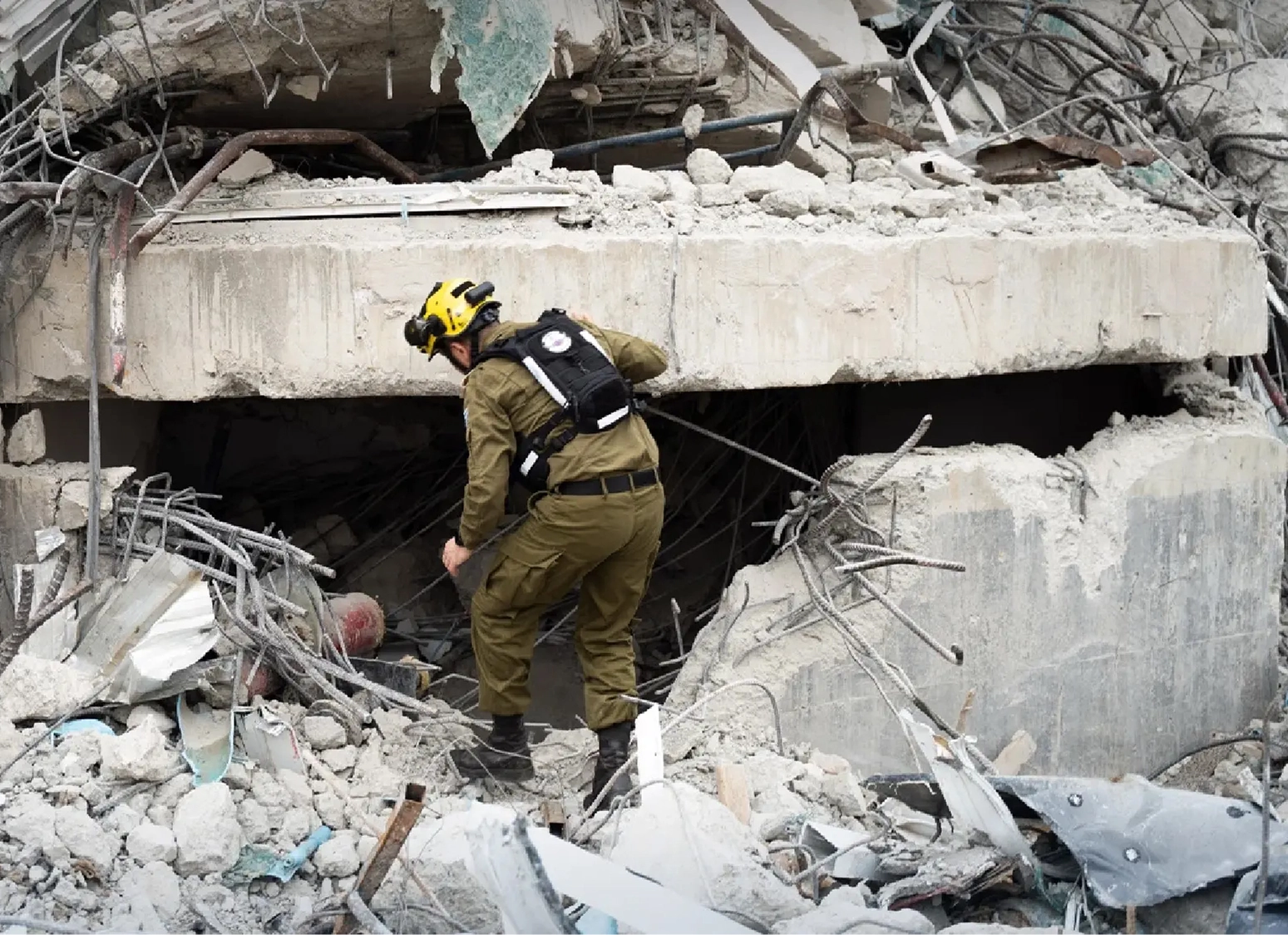
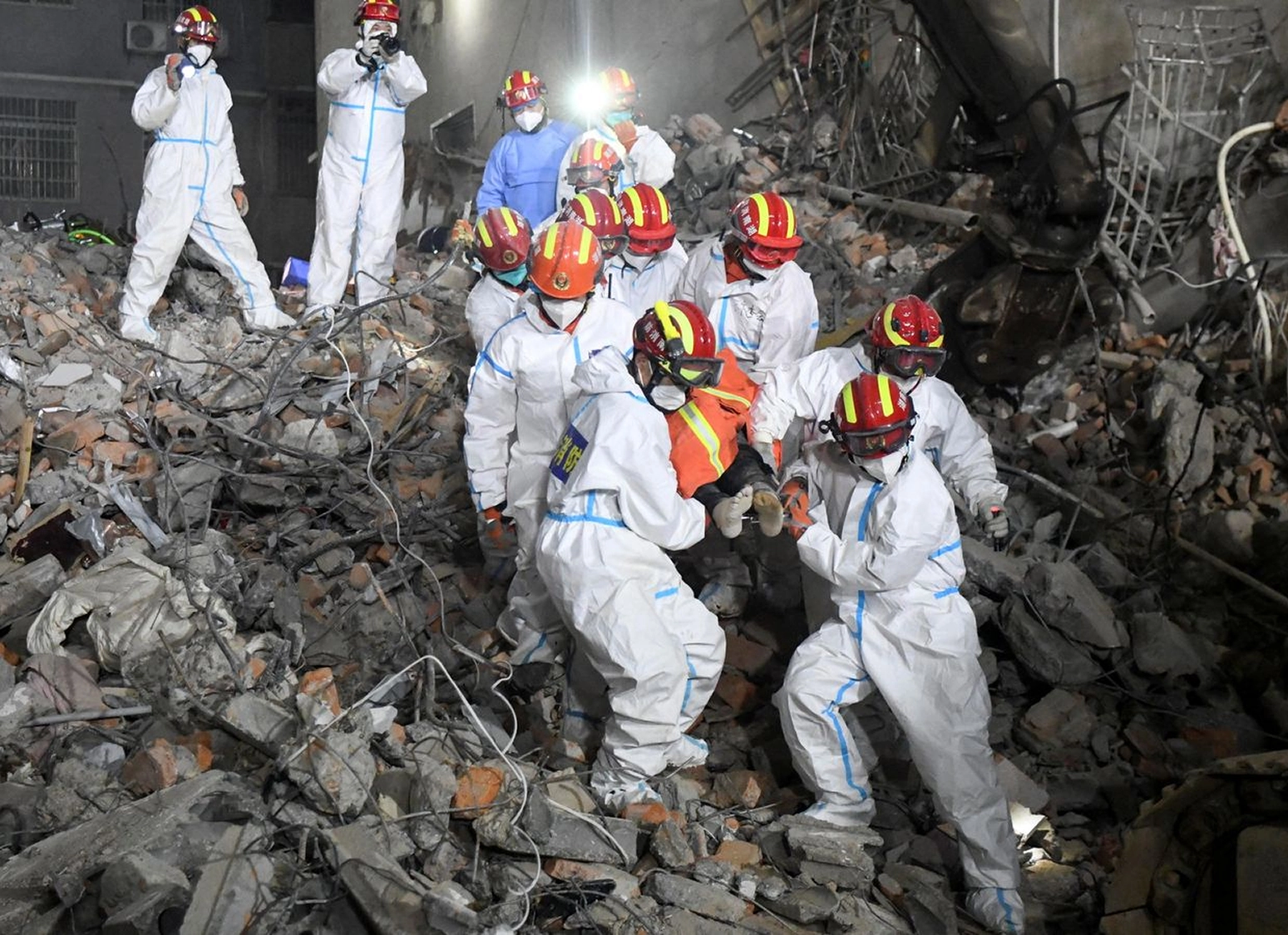
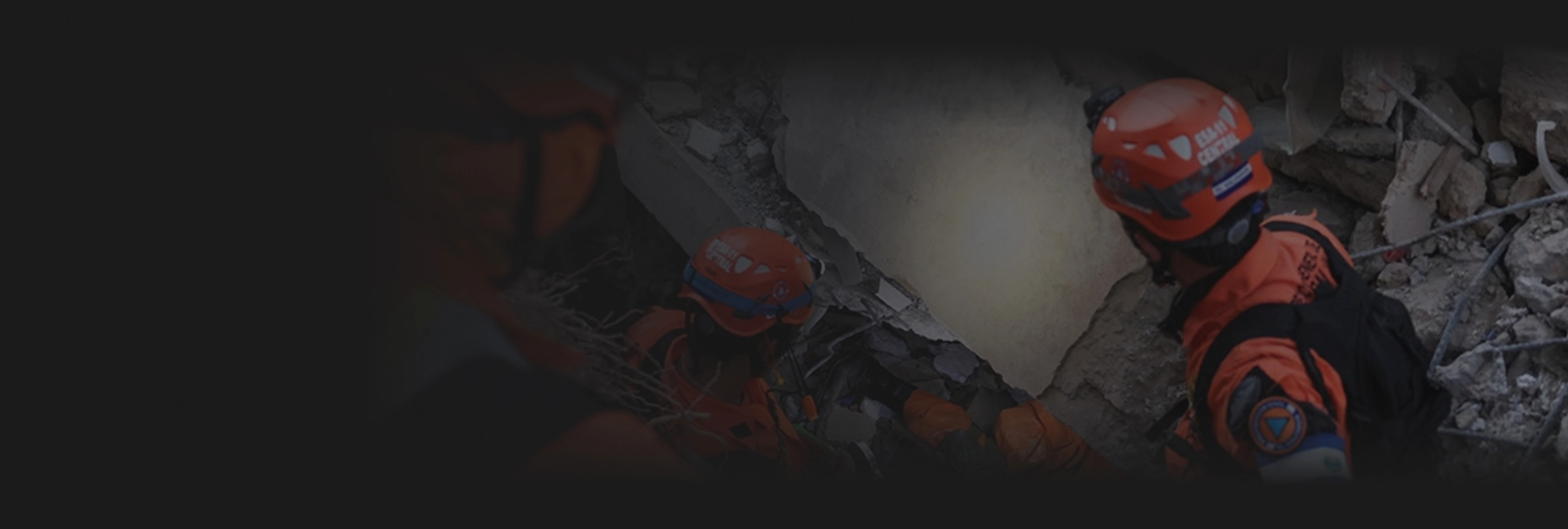
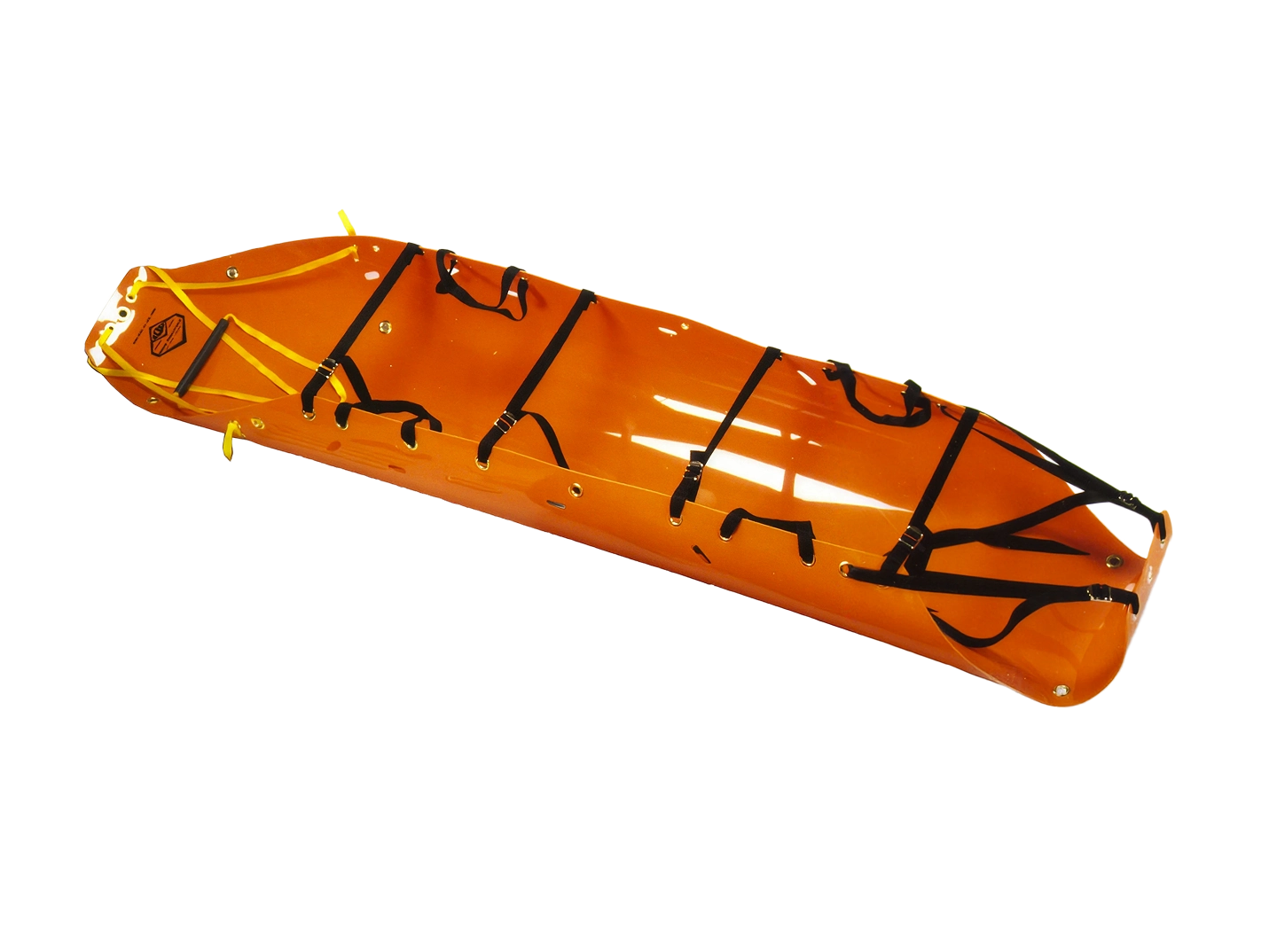
used today
Limitations of Conventional Stretchers
Conventional stretchers are rigid, making it extremely difficult to navigate through the unpredictable debris of collapsed buildings.
기존의 들것은 형태가 단단하여 건물 붕괴 현장의 좁고 불규칙한 잔해를 통과하기가 매우 어렵습니다.
While alternative solutions like SKED address this rigidity, their overly complex strapping systems waste the critical golden hour in confined, dark environments.
SKED와 같은 대안 장비가 이러한 유연성 문제를 다소 해결하긴 했지만, 어둡고 비좁은 공간에서 환자를 결속하기에는 벨트 구조가 지나치게 복잡하여 골든타임을 심각하게 낭비합니다.
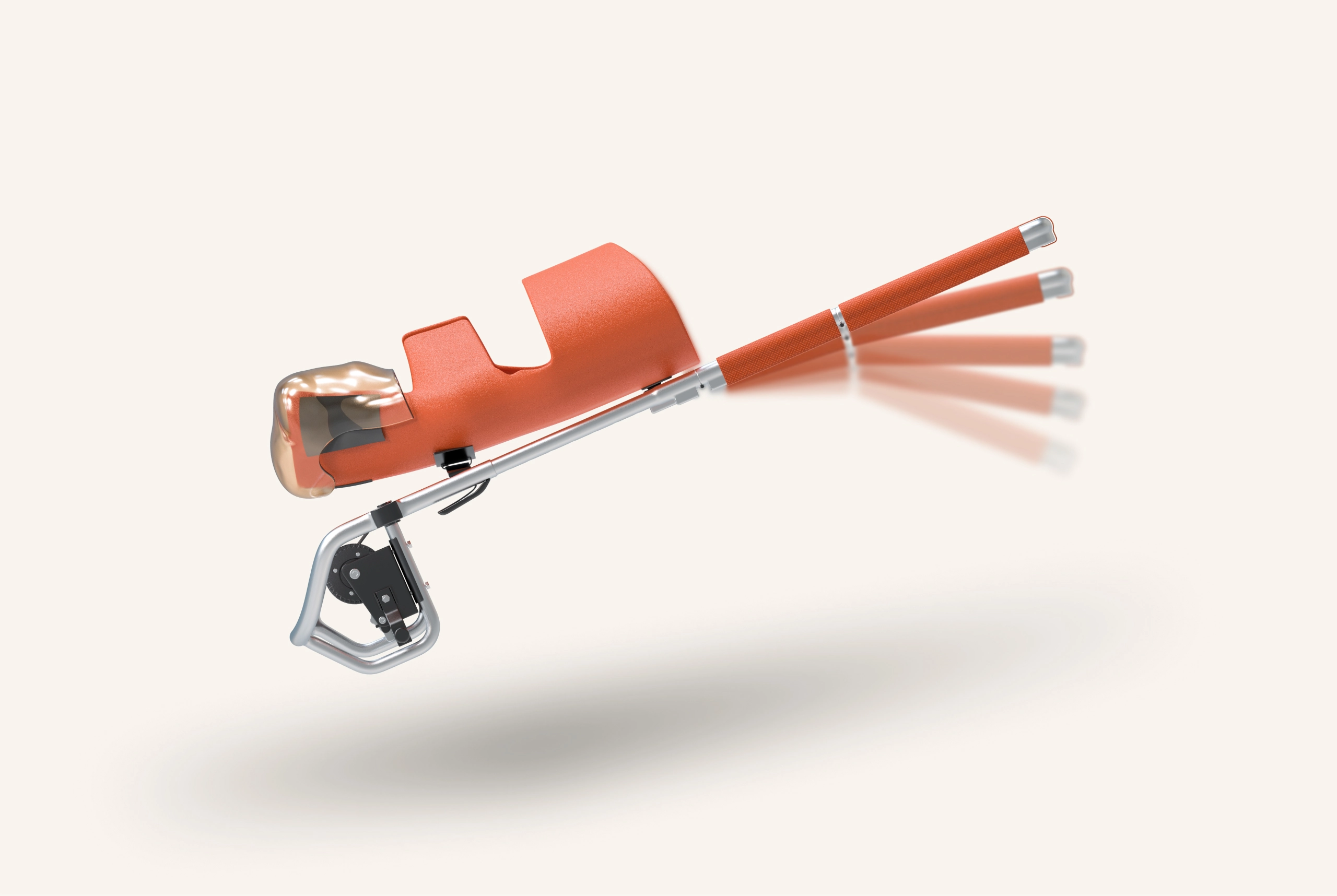

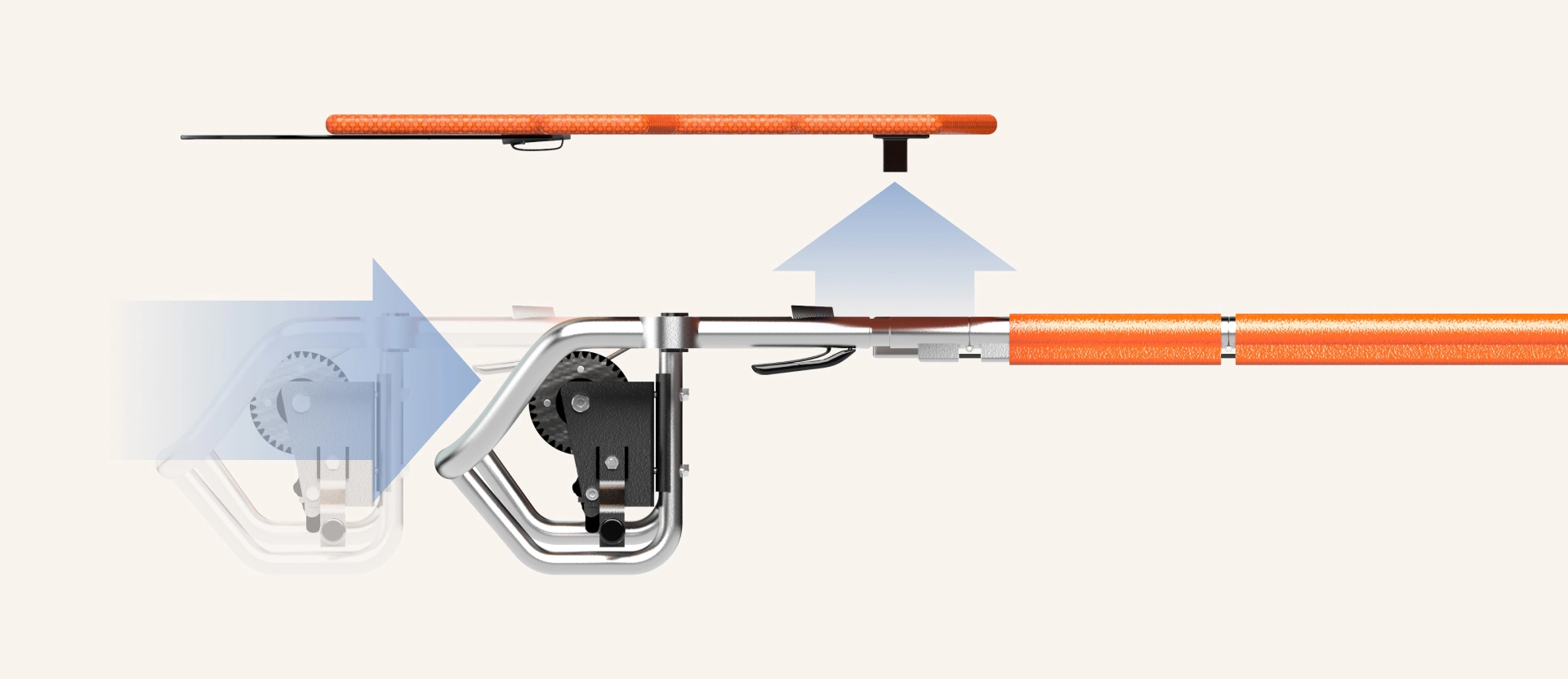
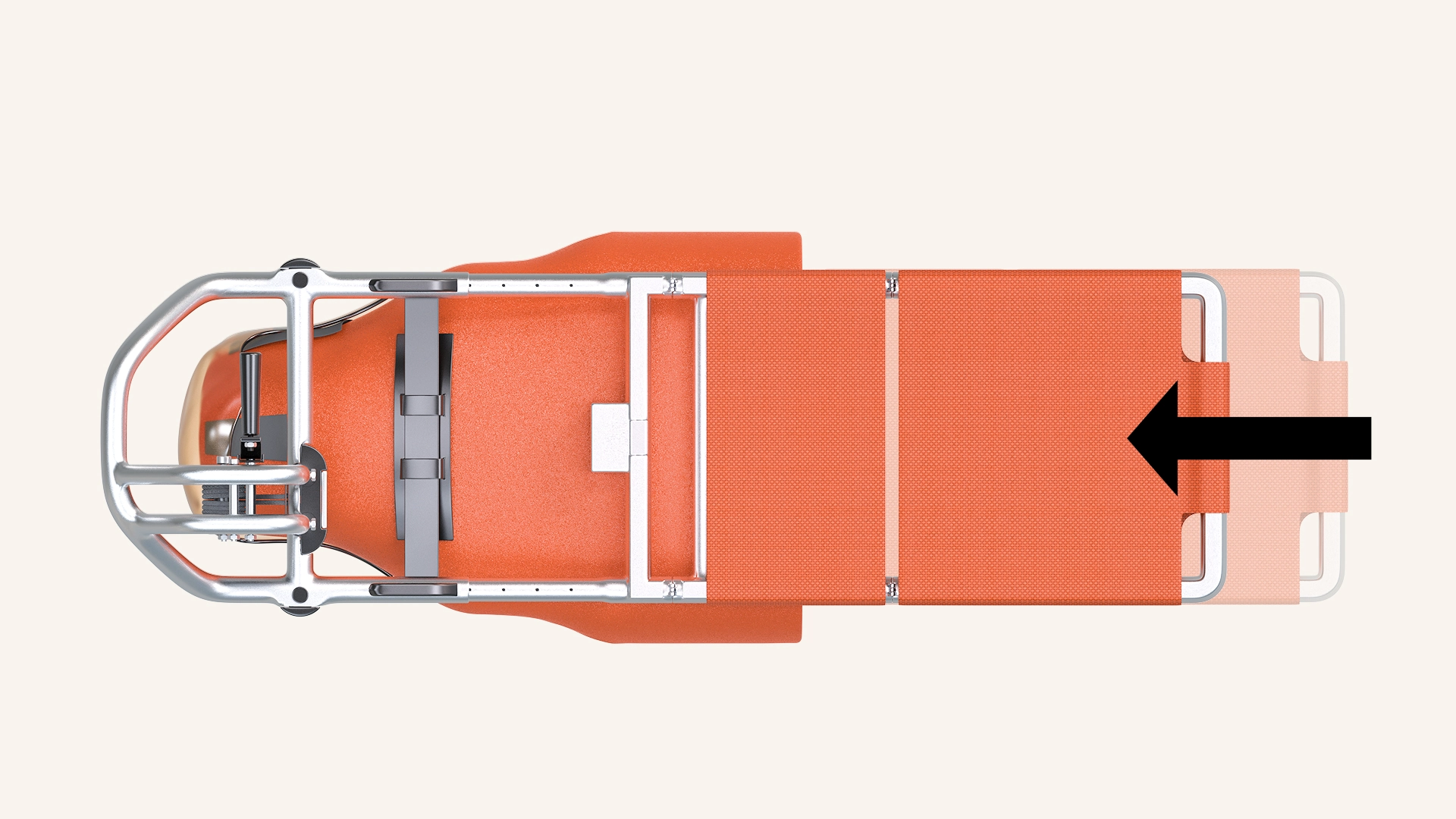
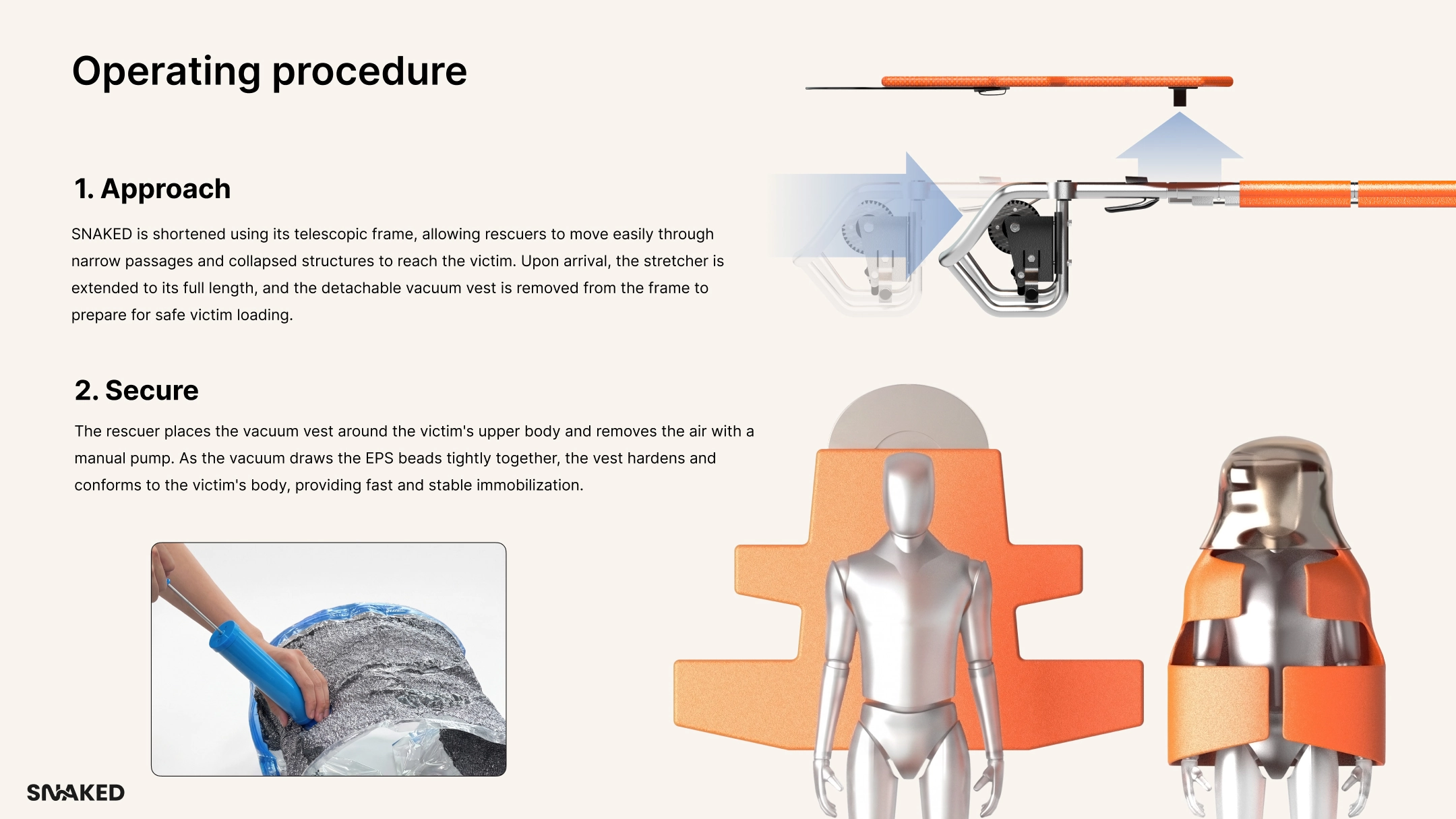
When entering a collapsed building, rescuers use the telescopic handle to fold the stretcher into a compact size for easy navigation through narrow spaces.
Upon reaching the patient, it is extended back to its full length.
붕괴 현장에 진입할 때, 구조대원은 텔레스코픽 손잡이를 이용해 들것을 작게 접어 좁은 공간을 쉽게 이동할 수 있습니다.
환자에게 도달하면 들것을 다시 원래 길이로 폅니다.
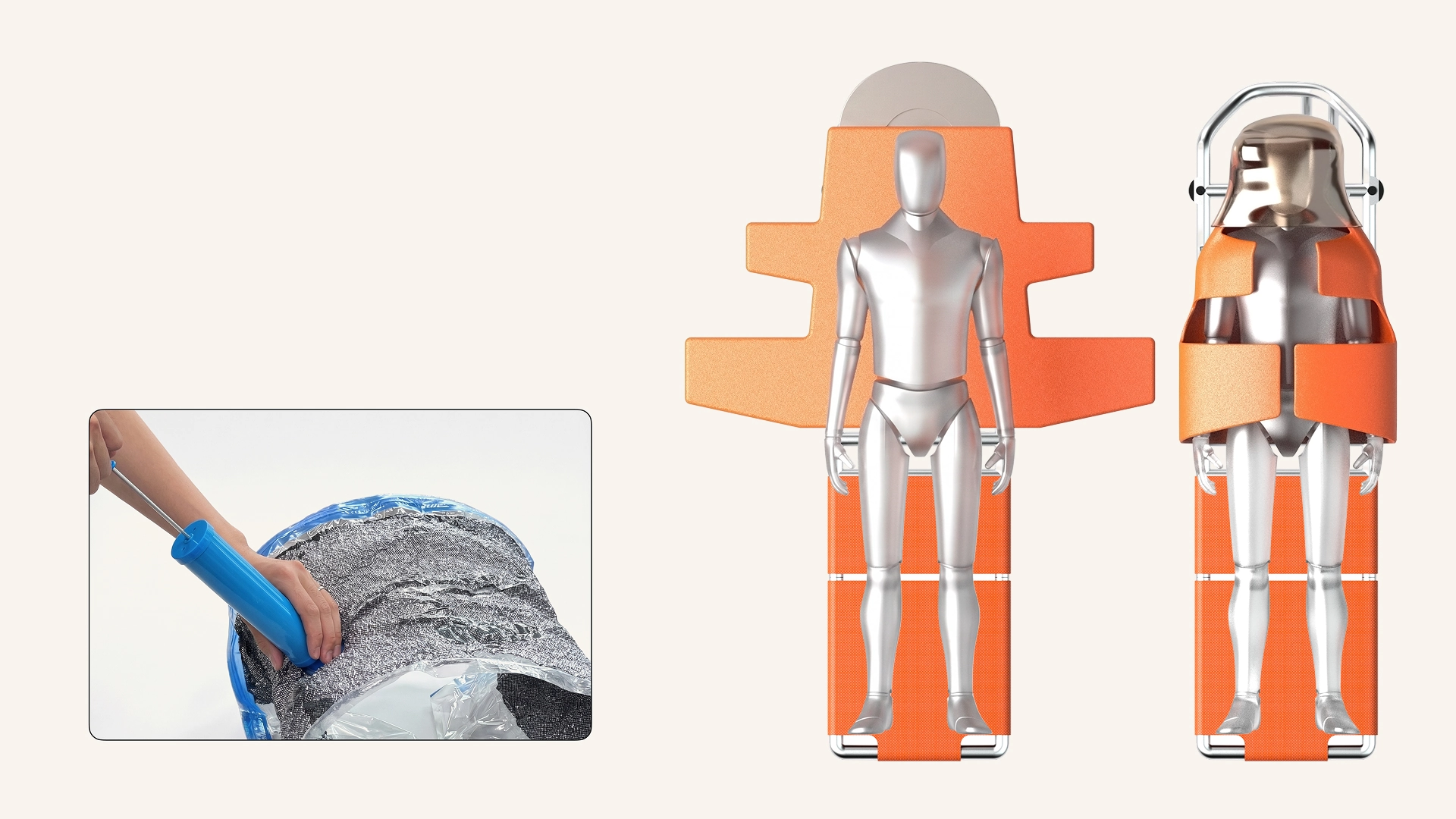
Once the patient is located, we secure them to the stretcher.
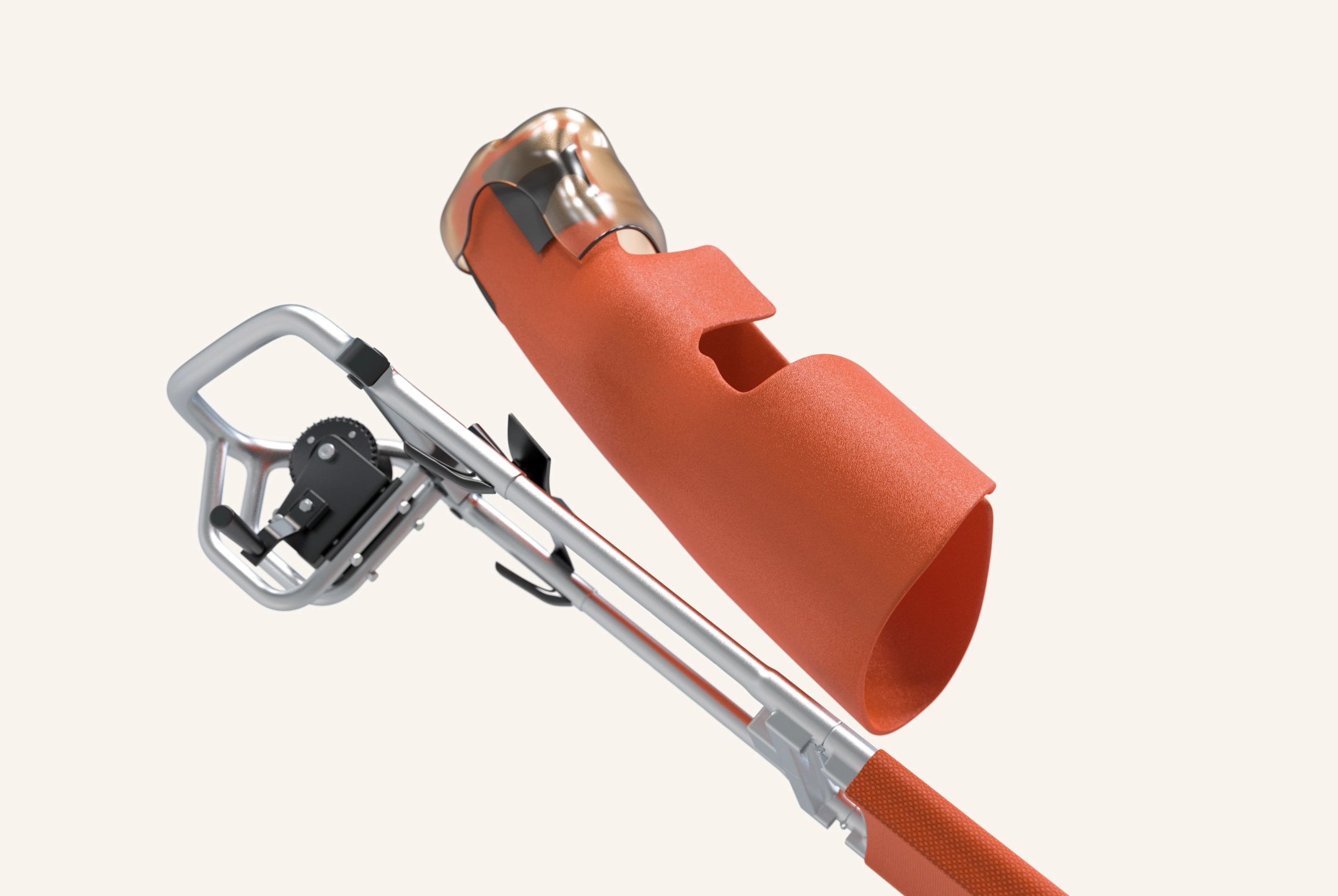
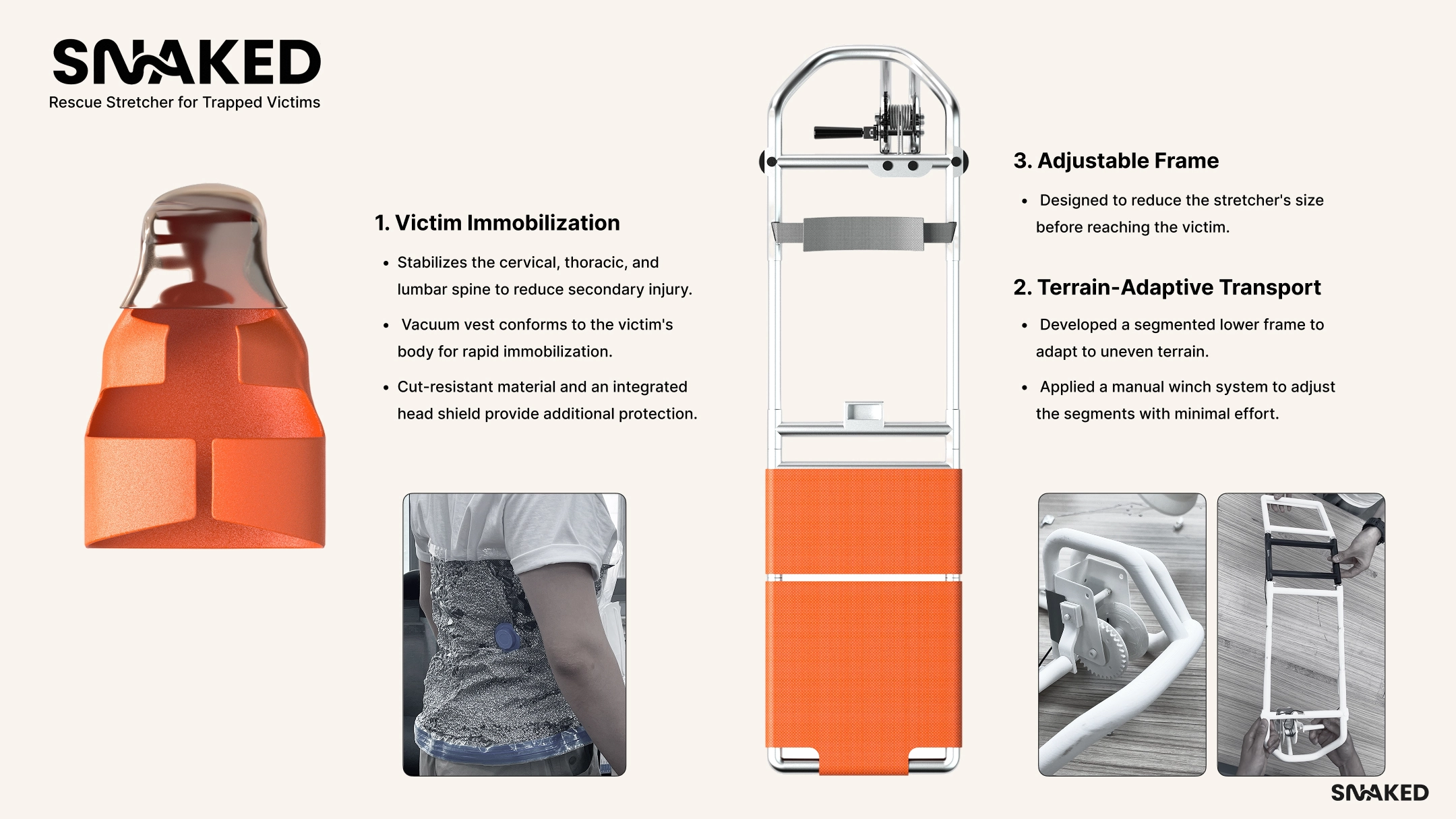
The soft vacuum vest easily wraps around the patient in tight spaces.
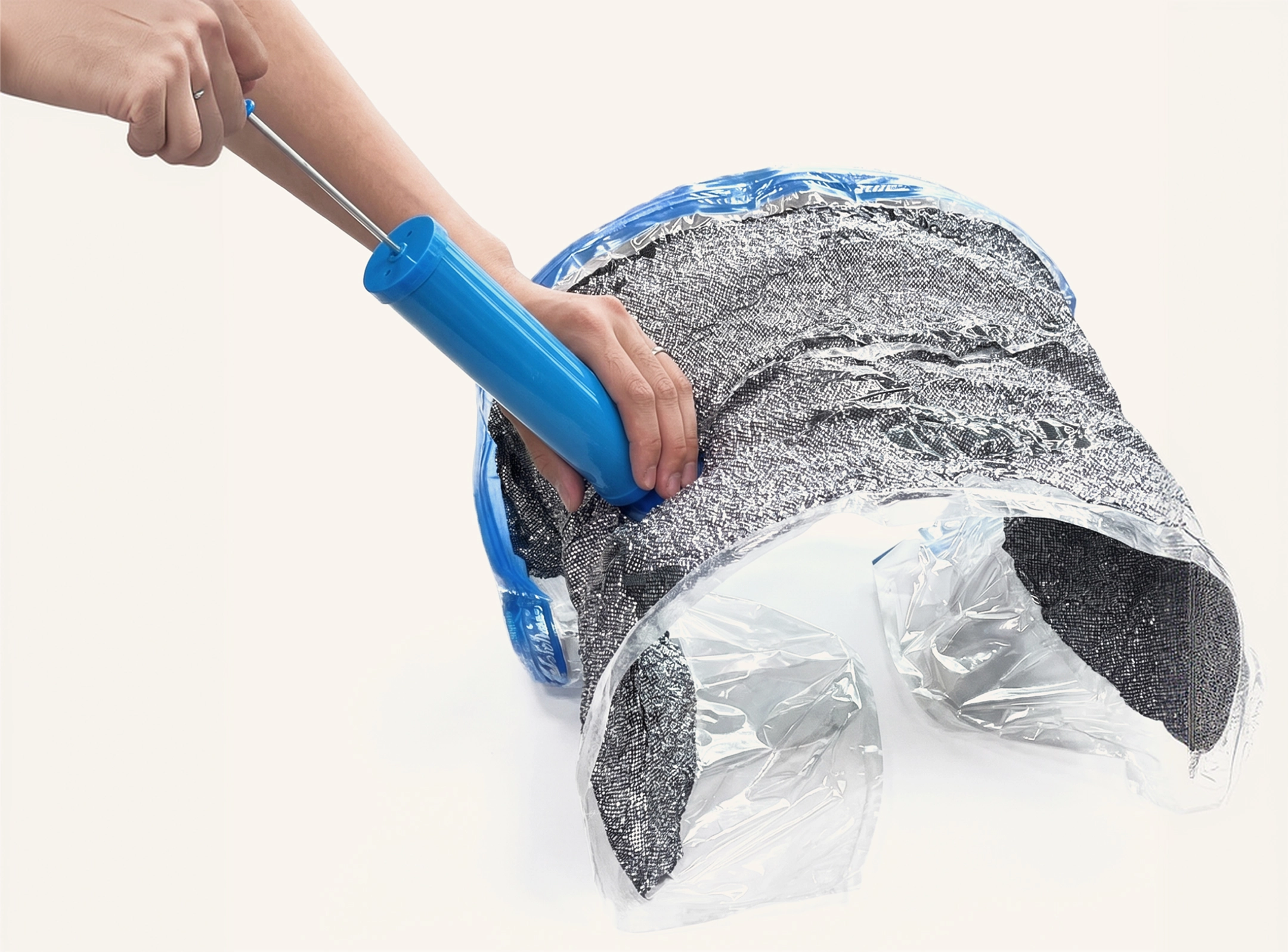
Removing the air with a pump hardens the internal beads, perfectly molding to the body for stable support.
Finally, securing the legs with belts completes the preparation for transport.
환자를 발견하면 들것에 고정합니다.
부드러운 진공 조끼는 좁은 공간에서도 환자를 쉽게 감싸줍니다.
펌프로 공기를 빼면 내부 비즈가 단단히 굳어 환자의 체형에 완벽하게 밀착되며 상체를 안정적으로 고정합니다.
마지막으로 다리를 벨트로 고정하면 이송 준비가 완료됩니다.
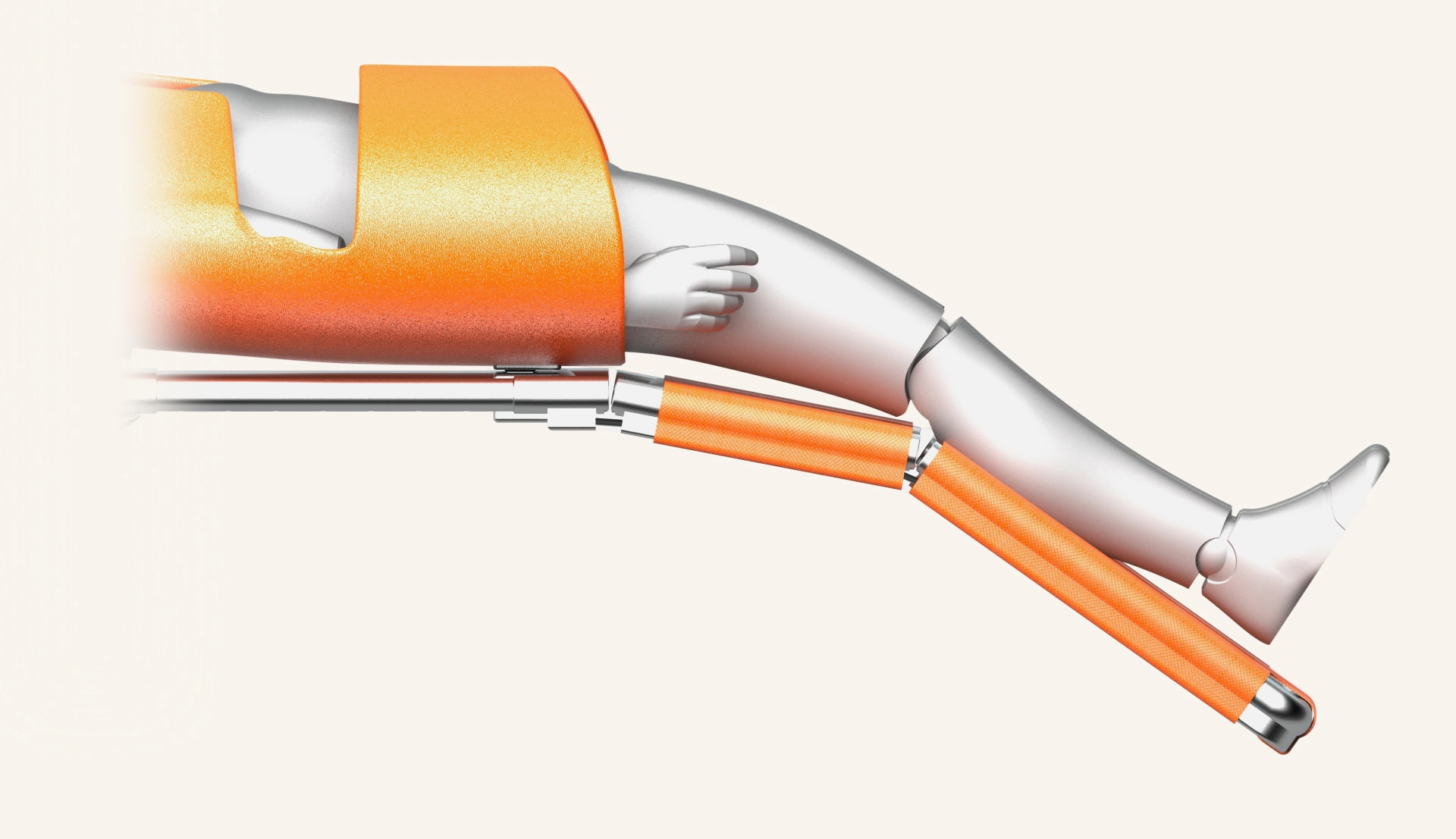
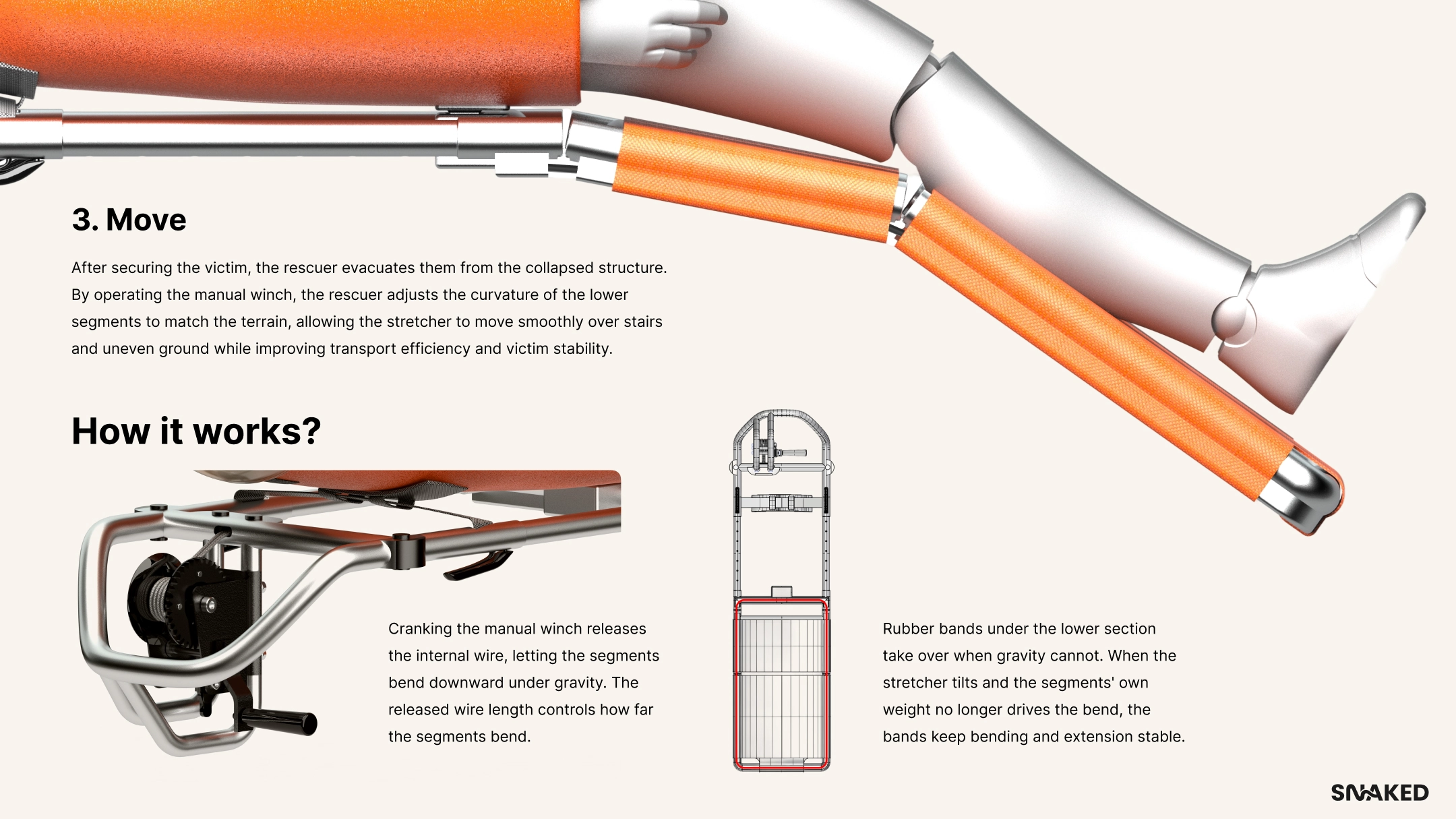
Finally, the evacuation.
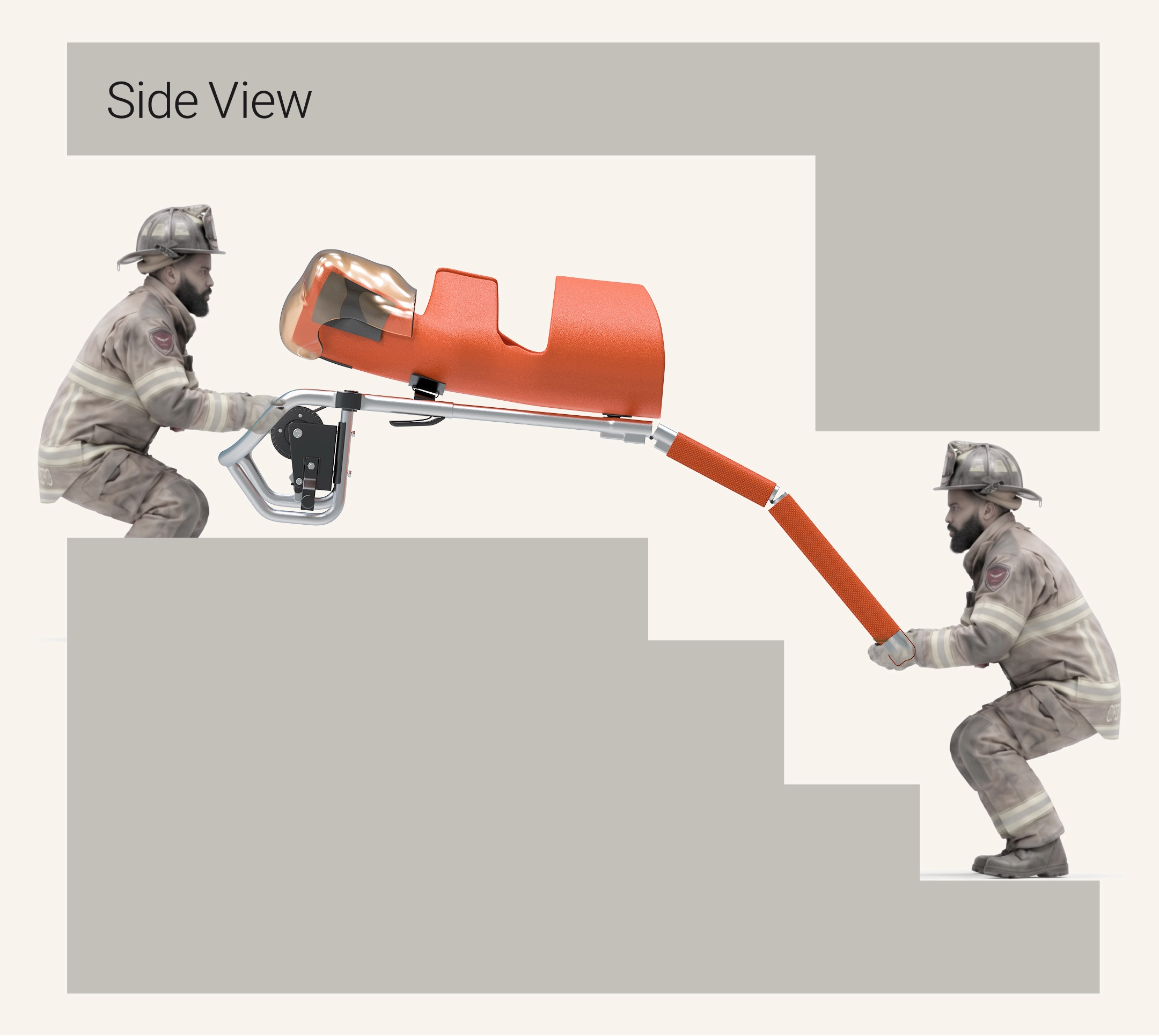
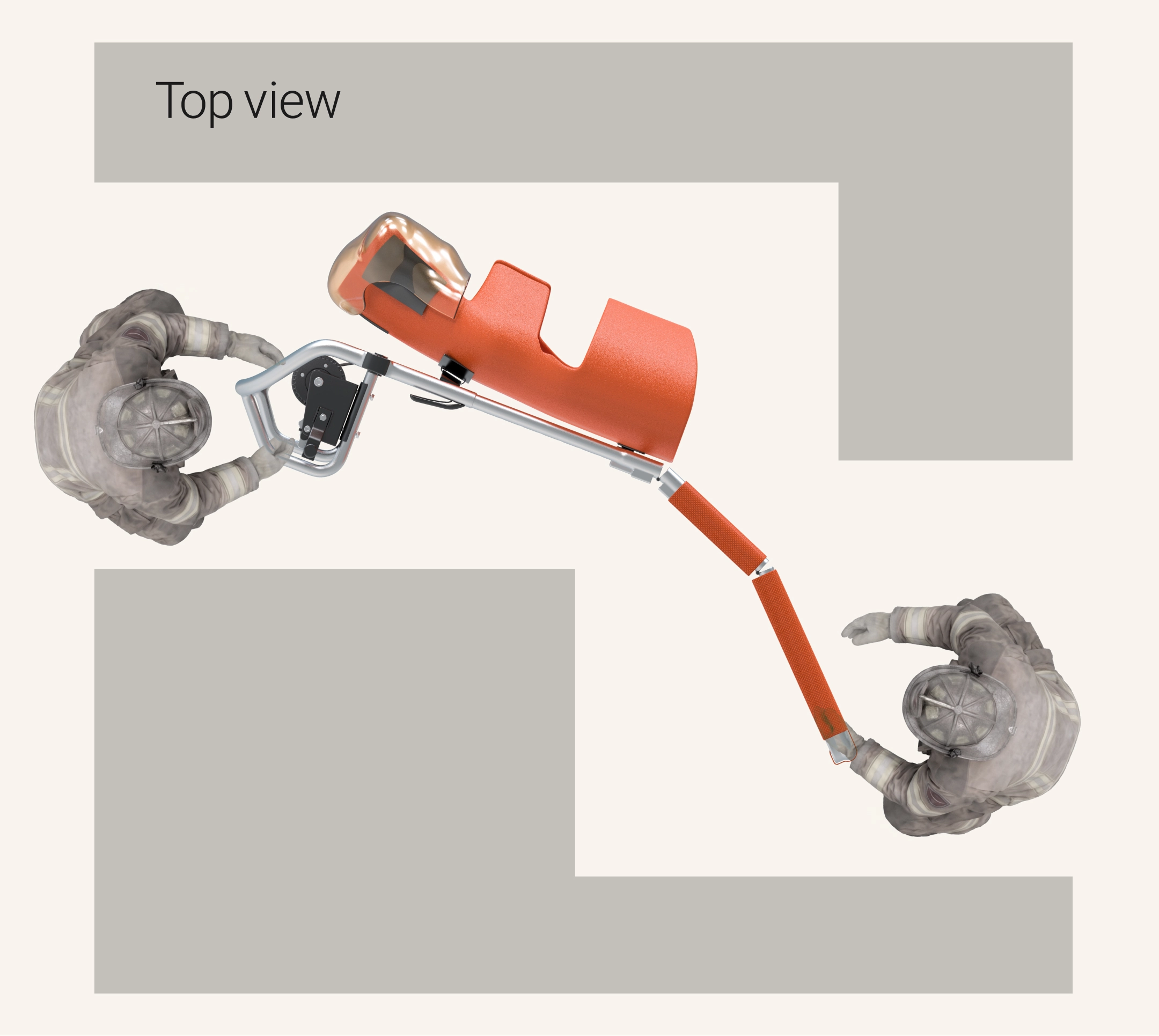
Rescuers turn a winch to bend the lower frame, allowing smooth transport over steep stairs and tight corners.
Meanwhile, the hardened vest and head shield protect the patient from debris, preventing secondary trauma.
마지막 이송 단계입니다.
상단의 윈치를 돌려 하체부를 구부리면 가파른 계단이나 좁은 코너에서도 원활하게 이동할 수 있습니다.
동시에 단단해진 조끼와 헤드 실드가 낙석과 충돌로부터 환자를 보호해 2차 외상을 막아줍니다.
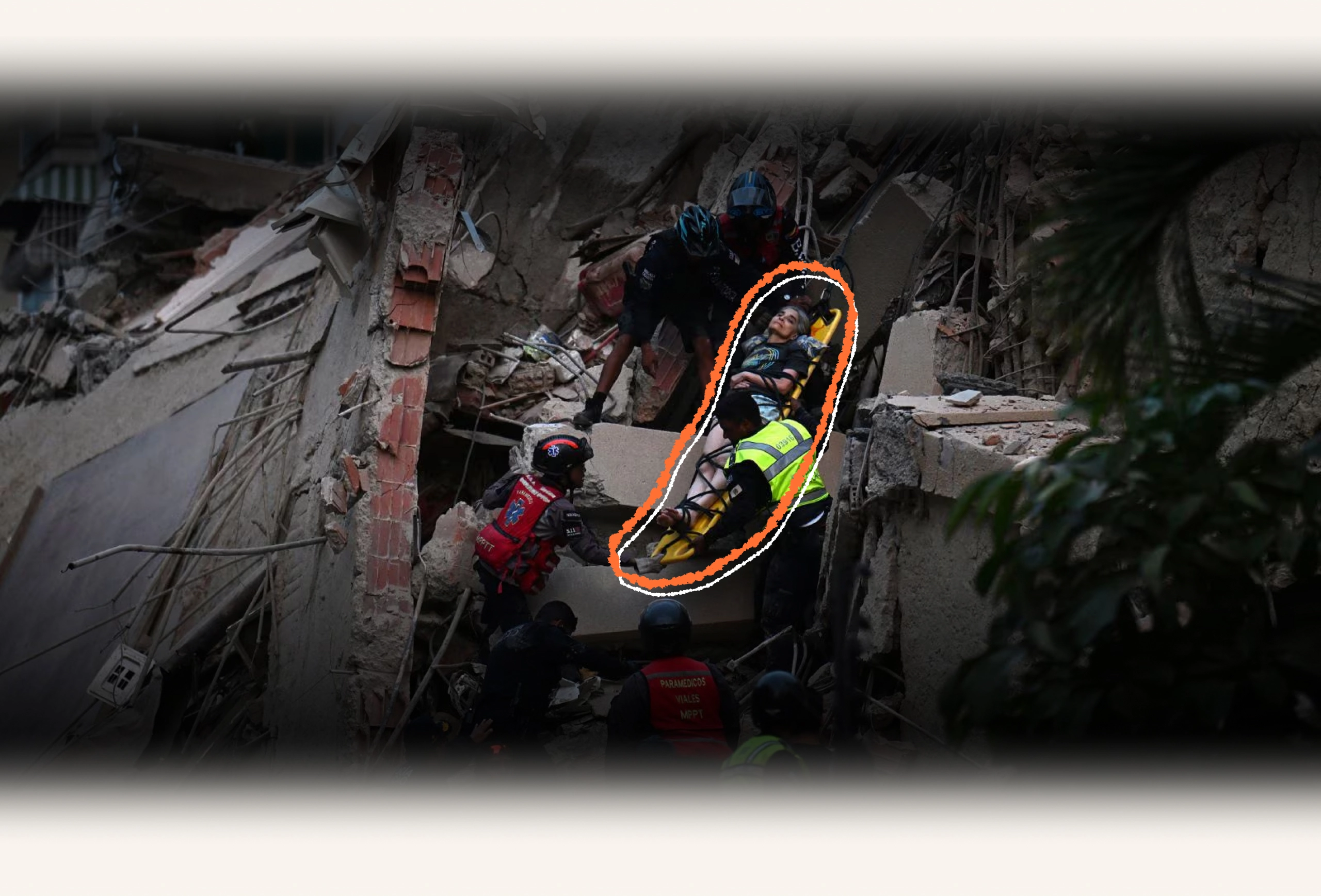
As captured in the Myanmar earthquake footage above, standard belt systems cannot rigidly secure vital spinal zones—leaving cervical and lumbar regions vulnerable to movement during extraction.
The goal was simple: engineer an adaptive immobilization method that stabilizes every body type without compromise.
위 미얀마 지진 현장 사진에서 보듯, 기존 벨트 방식은 경추와 요추 등 핵심 척추 라인을 견고히 고정하지 못해 이송 중 손상 위험을 키웁니다.
어떤 체형이든 빈틈없이 지지할 수 있는 적응형 고정 메커니즘을 구축한 이유입니다.
Biomimetic Inspiration:
The Chrysalis
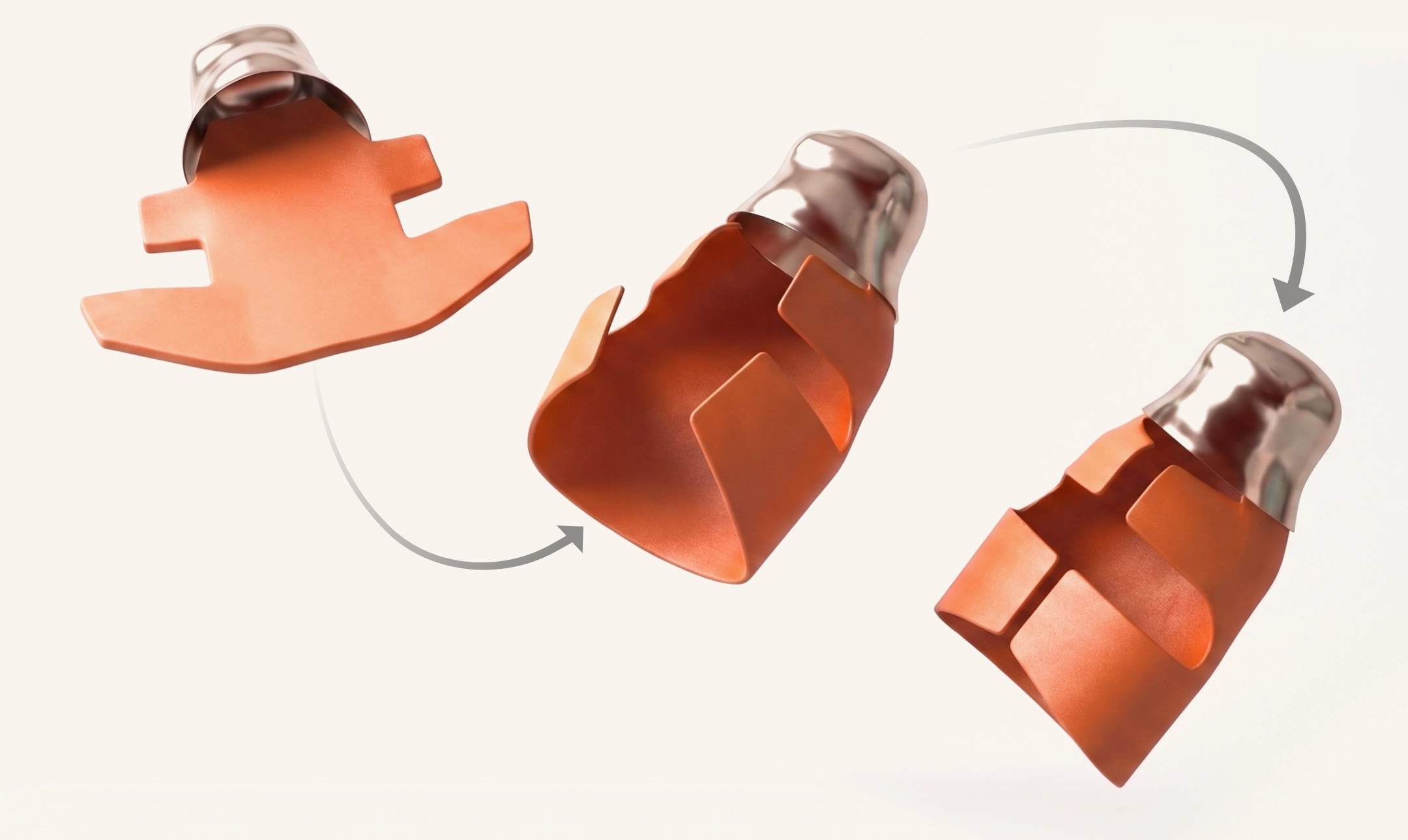
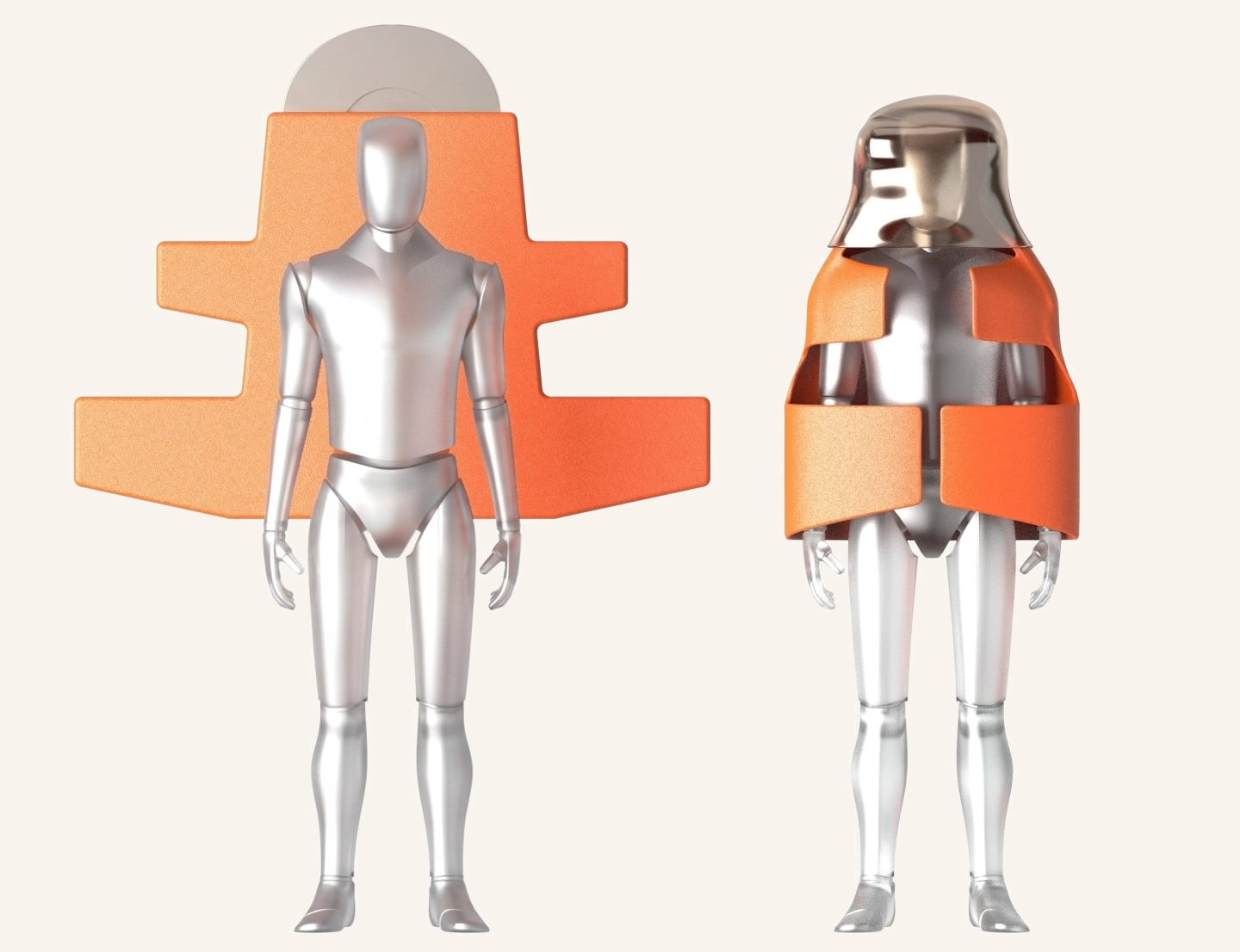
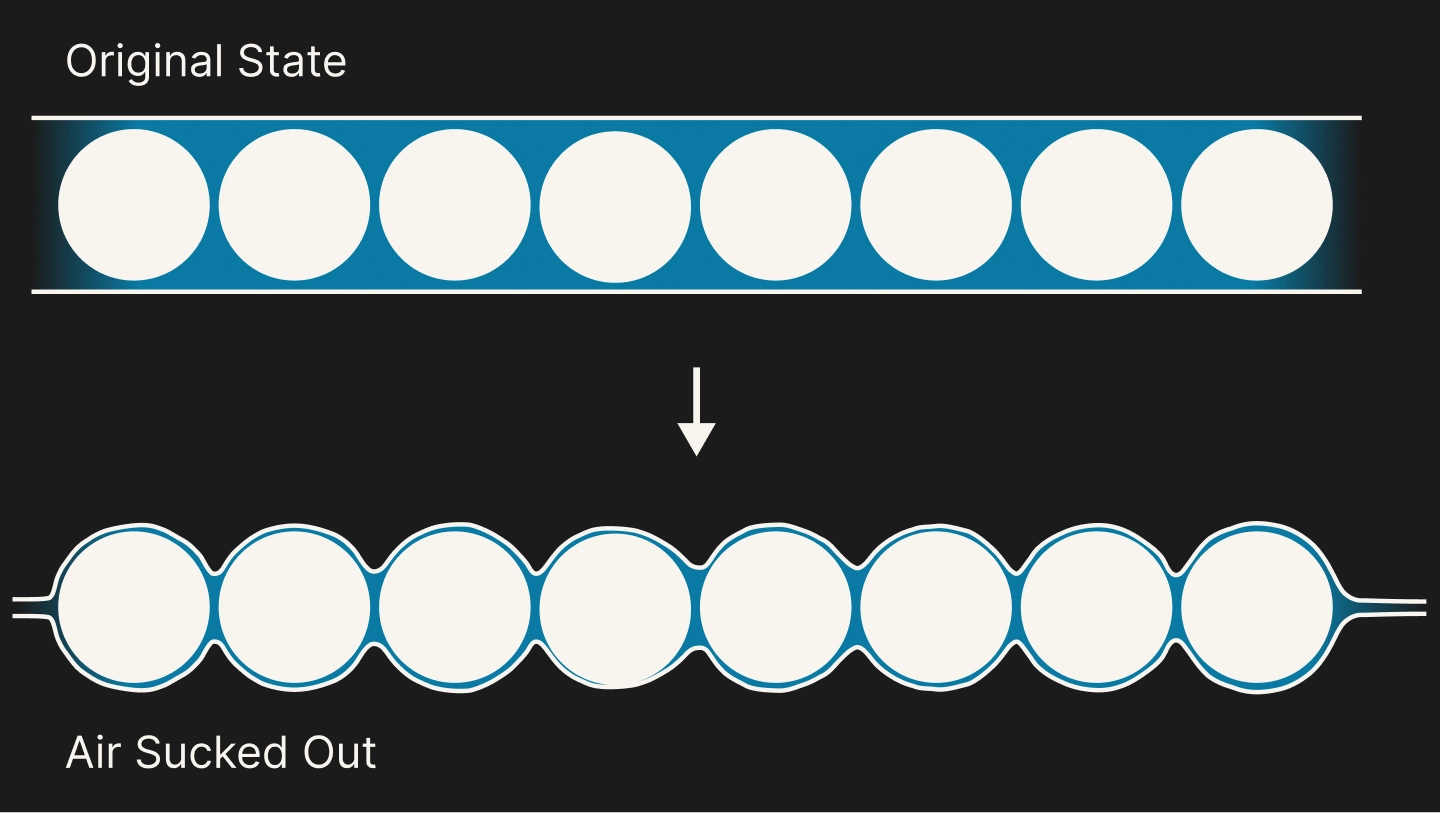
Inspired by the protective structure of a chrysalis, this Vacuum Splint utilizes internal EPS beads that rigidify under negative pressure, perfectly molding to the patient's body.
It provides unyielding anatomical support without excessive chest pressure, reliably preventing secondary trauma during transport.
번데기의 보호 구조에서 착안한 진공 부목으로, 내부의 EPS 비드가 진공 상태에서 단단히 굳어 환자의 신체 굴곡에 정밀하게 밀착됩니다.
흉부에 가해지는 과도한 압박 없이도 견고한 지지력을 형성하여 구조 및 이송 중 발생할 수 있는 2차 손상을 안전하게 방지합니다.
Optimized for Perfection:
1mm Beads & 70% Filling Ratio
Iterative testing across bead diameters and filling ratios identified the optimal balance between immobilization strength and physical pressure.
A combination of 1 mm EPS beads and an approximately 70% filling ratio delivers the ideal compromise between rigid stabilization and patient comfort.
비드 직경과 충전율을 변수로 반복 테스트를 거쳐 고정력과 신체 압박감 사이의 최적점을 도출했습니다.
1mm EPS 비드와 약 70%의 내부 충전율 조합이 환자의 신체 부담을 최소화하면서도 견고한 고정력을 확보하는 최적의 구성입니다.
Optimized for Perfection:
Adjustable Telescopic Structure
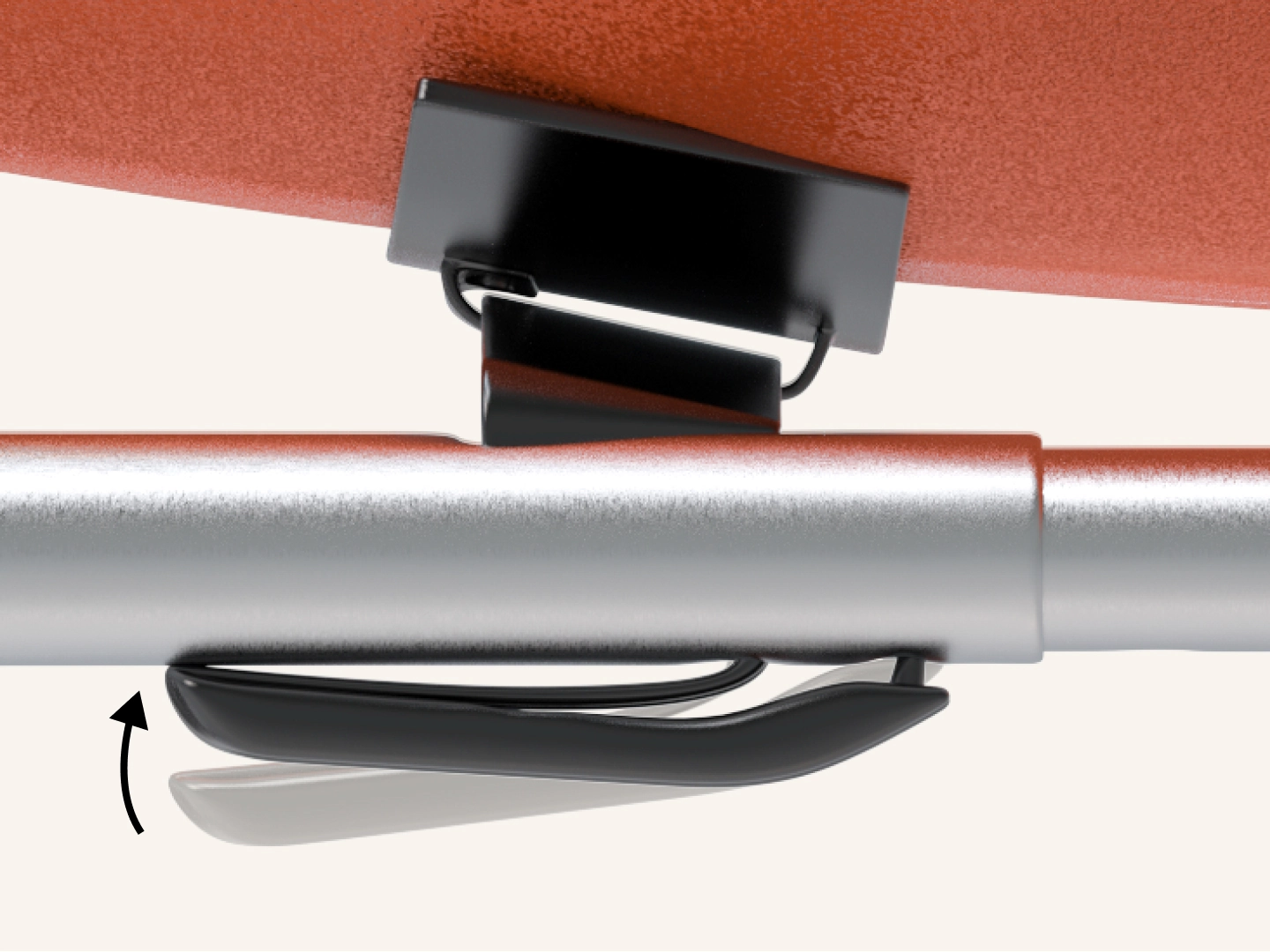
A telescopic upper-body frame accommodates victims of varying body sizes while enhancing operational mobility.
Rescuers can collapse the frame into a compact form to swiftly navigate narrow, debris-filled passages, then extend it on-site to achieve a tailored fit for the patient.
다양한 환자 체형에 대응하고 기동성을 높이기 위해 상체 프레임에 텔레스코픽(슬라이딩 확장) 구조를 적용했습니다.
진입 시에는 프레임을 접어 좁은 통로나 잔해 속을 신속하게 통과할 수 있으며, 구조 현장에서는 환자 신체 길이에 맞춰 확장 결착함으로써 안정적인 맞춤형 지지를 제공합니다.
Ergonomic Design
Engineered to conform precisely to the upper torso, the detachable vacuum vest features an outer shell built from stab-resistant armor fabric to withstand sharp disaster debris.
Integrated safety belts work in unison with the vest to maintain fail-safe immobilization throughout the entire transport process.
상체 굴곡에 맞추어 정밀 설계된 탈착식 진공 베스트는 날카로운 잔해가 난무하는 재난 환경을 견딜 수 있도록 방검복급 고강도 소재를 외피에 적용했습니다.
여기에 일체형 안전벨트를 결합하여 이송 전 과정에 걸쳐 환자를 흔들림 없이 견고하게 고정합니다.
GEOMETRIC INSPIRATION:
[ Moving Sofa Problem ]
To overcome spatial constraints in tight passages, the mechanism draws inspiration from the Moving Sofa Problem.
First formulated by Leo Moser in 1966, this iconic geometry challenge seeks the maximum shape capable of navigating a 1-meter-wide L-shaped hallway—an unsolved puzzle recently brought back into the academic spotlight through Dr. Jineon Baek’s (Yonsei University) research on the optimality of Gerver’s Sofa.
협소 공간에서의 이동 한계를 극복하기 위해 '소파 문제'의 기하학적 원리에서 영감을 얻었습니다.
1966년 레오 모저가 제시한 이 고전 수학 난제는 폭 1m의 'L'자형 직각 복도를 통과할 수 있는 도형의 최대 면적을 규명하는 문제로, 최근 연세대 백진언 박사의 '거버 소파의 최적성' 증명 연구를 통해 다시금 주목받은 바 있습니다.
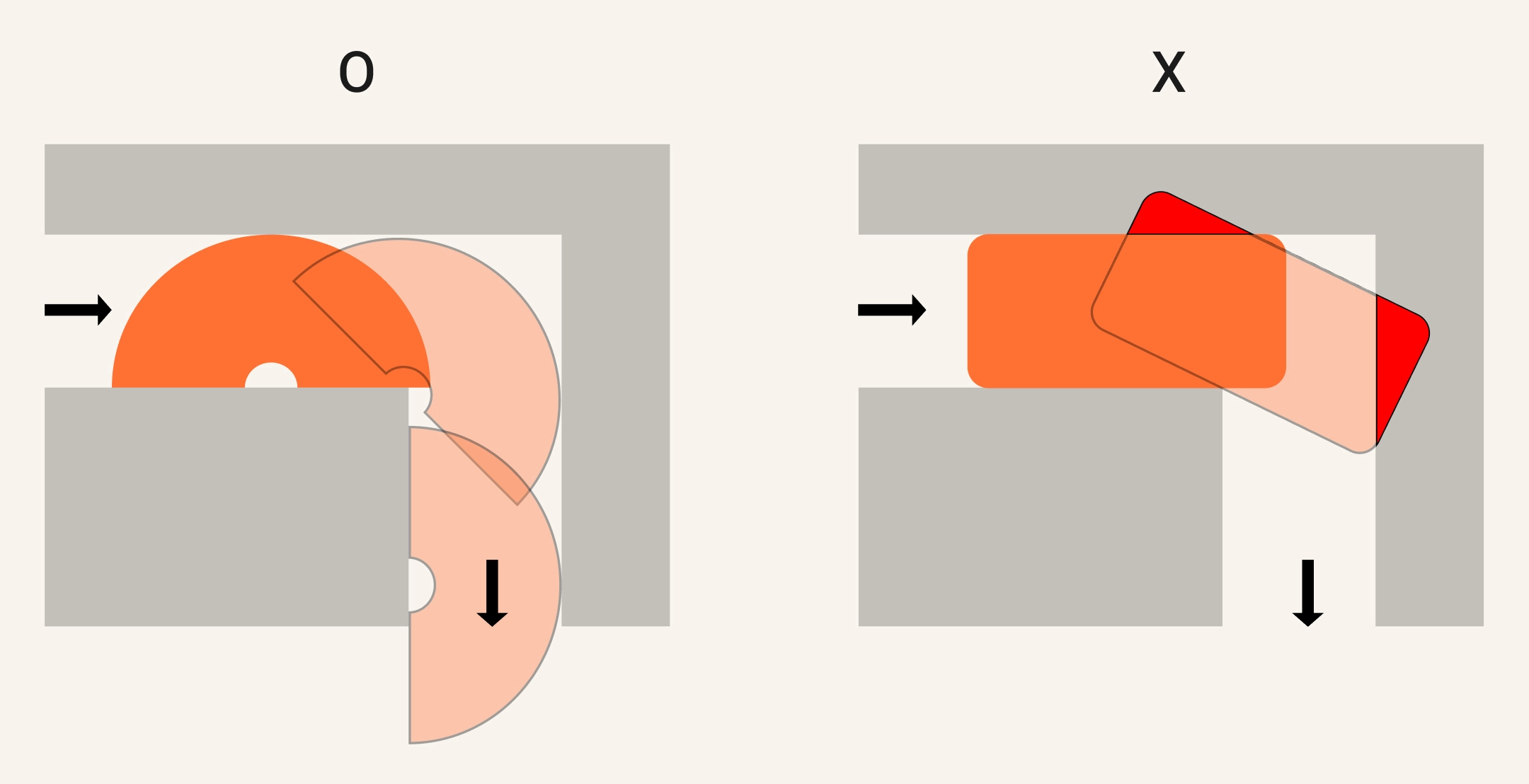
The Moving Sofa Problem reveals that spatial passability through confined turns is dictated by rotational degrees of freedom rather than absolute size.
Synchronizing an object's geometry with its rotational capacity is the core engineering principle behind overcoming tight spatial constraints.
'소파 옮기기 문제'의 핵심은 좁은 곡선 통로의 통과성이 물체의 절대적인 크기가 아닌 '회전 자유도'에 의해 결정된다는 점입니다.
물체의 형태와 회전 능력을 유기적으로 연동하는 것이 협소한 공간 제약을 극복하는 핵심 공학 원리입니다.
Biomechanically Optimized Articulation
for Complex Maneuverability
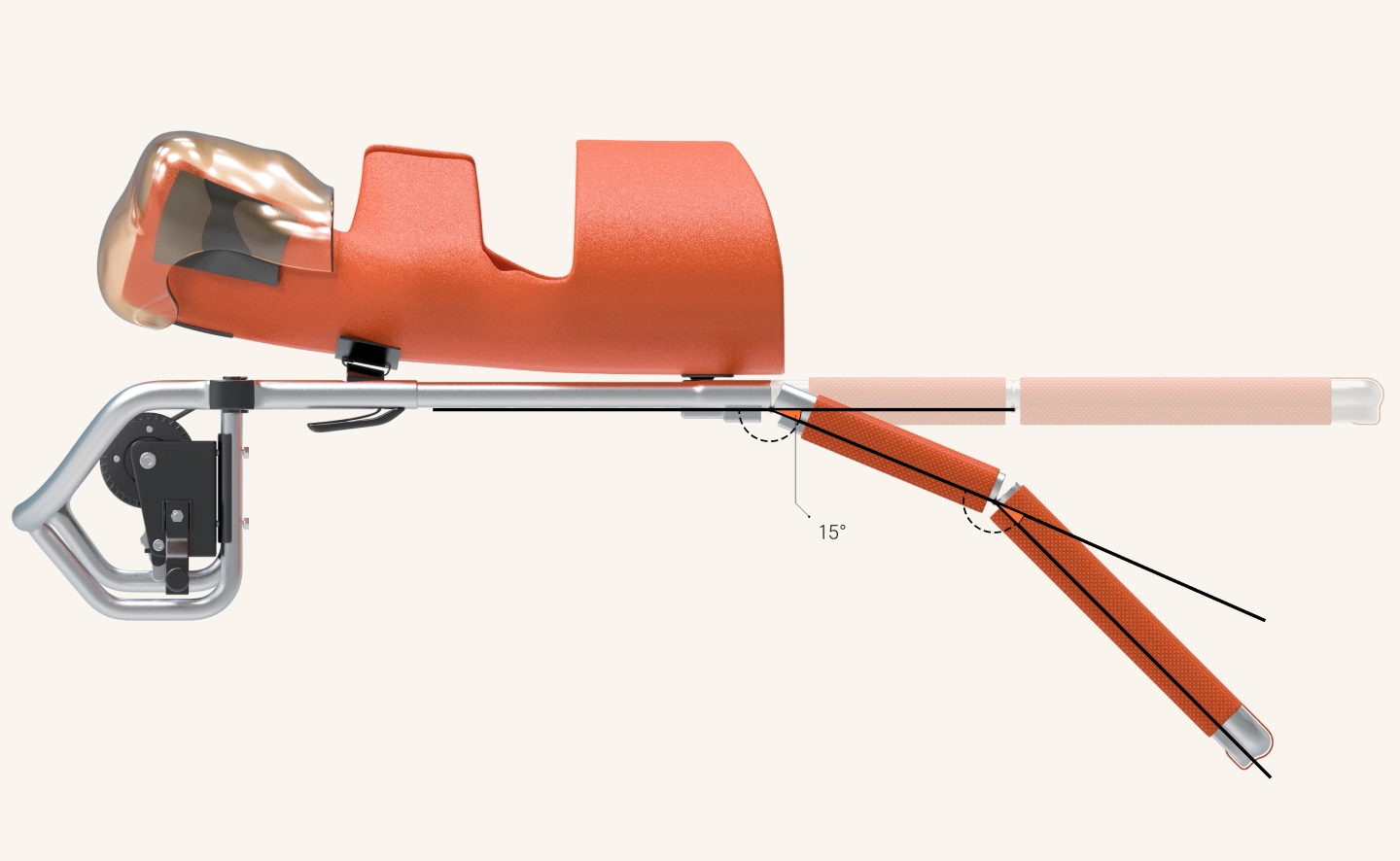
Unlike traditional rigid stretchers that require wide turning radii, this frame maintains upper body rigidity to protect the spine while introducing controlled flexibility exclusively to the lower segments.
By capping the bending angle at 15 degrees, safely below the 20 degree hip extension threshold, it achieves agile navigation without compromising patient safety.
넓은 회전 반경이 필요한 기존 일체형 들것과 달리, 척추를 보호하는 상체는 견고하게 고정하고 하체에만 제한적인 회전 자유도를 부여했습니다.
정상 고관절 가동 범위인 20도보다 엄격한 15도로 각 마디의 굴절을 제한하여 협소 공간 기동성과 환자 안전을 모두 확보했습니다.
Dividing the lower section at the knee into two 15 degree articulating segments allows the stretcher to dynamically adapt to tight environments.
This mechanism drastically enhances maneuverability through steep stairs and L shaped corridors.
무릎을 기준으로 하체를 두 개의 마디로 분할하고 각각 15도의 굴절각을 부여했습니다.
이 관절형 구조를 통해 협소 공간에 유연하게 대응하며, 계단과 L자형 직각 복도에서의 기동성을 극대화합니다.
Optimized Winch Mechanism
for Precision Angular Control
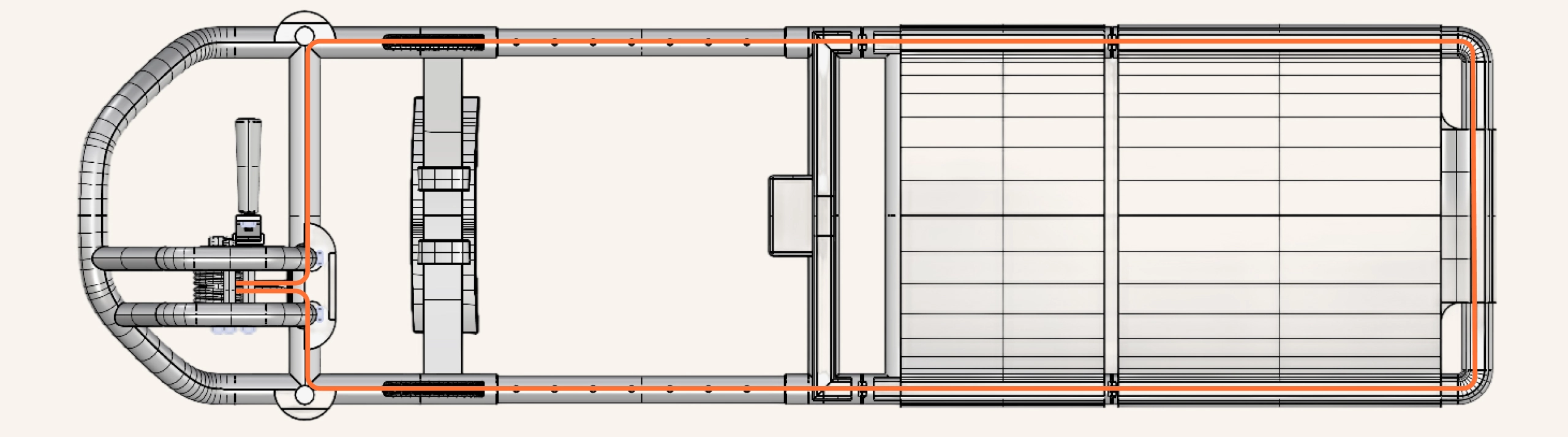
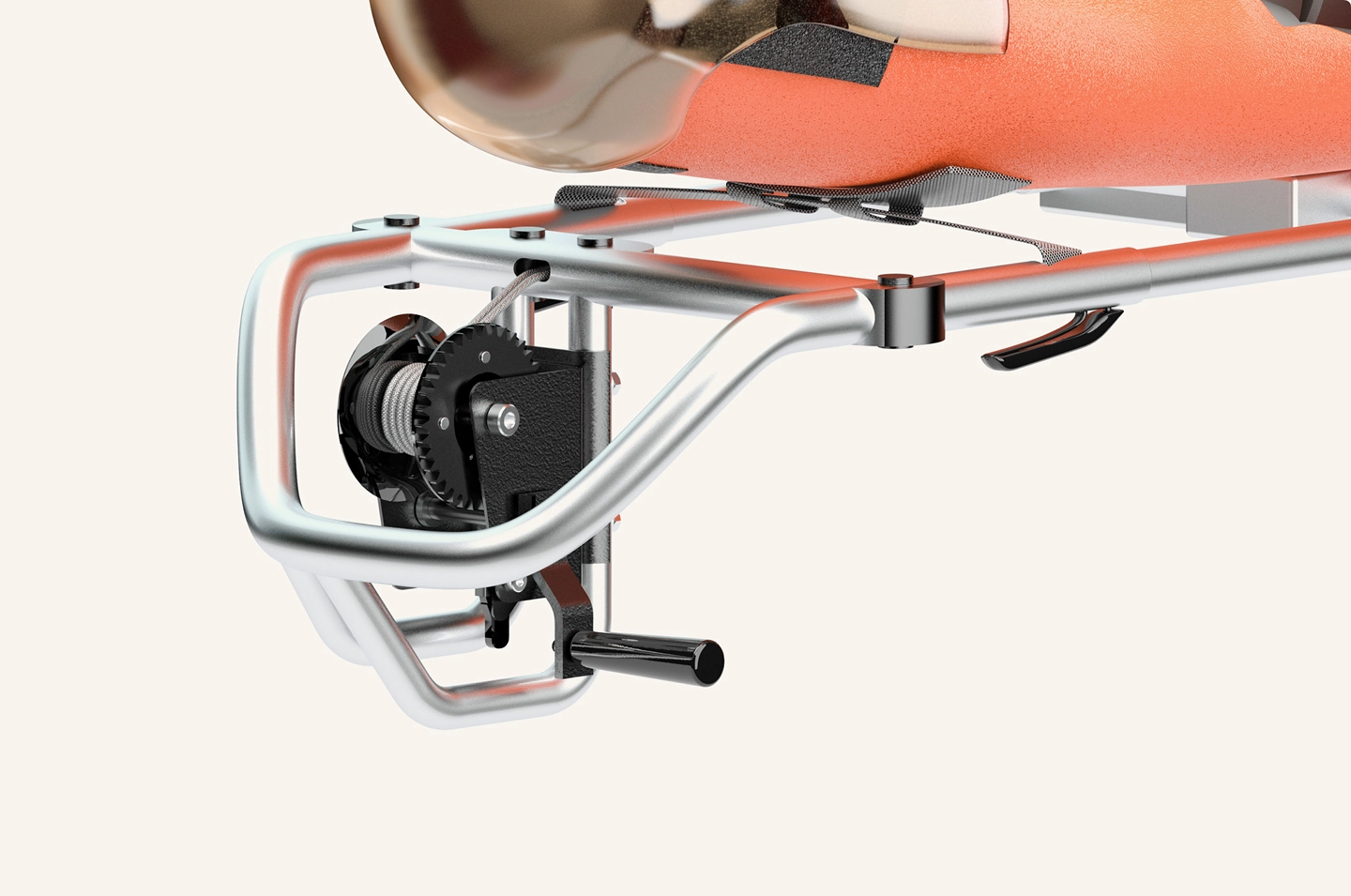
A manual winch system governs lower frame articulation by modulating wire tension, releasing to flex under gravity and rewinding to straighten.
After testing five configurations to balance rotational effort and speed, a 13:36 gear ratio was selected for optimal rescue ergonomics and operational efficiency.
수동 윈치 시스템은 와이어 장력을 조율해 하체 굴절 각도를 정밀 제어합니다.
와이어를 풀면 중력으로 각도가 꺾이고 감아올리면 수평으로 복원되는 구조입니다.
회전수와 요구 하중 간의 균형을 찾기 위해 다섯 가지 기어비를 테스트한 끝에, 현장 구조 효율과 조작 편의성을 극대화하는 13:36 비율을 최종 채택했습니다.
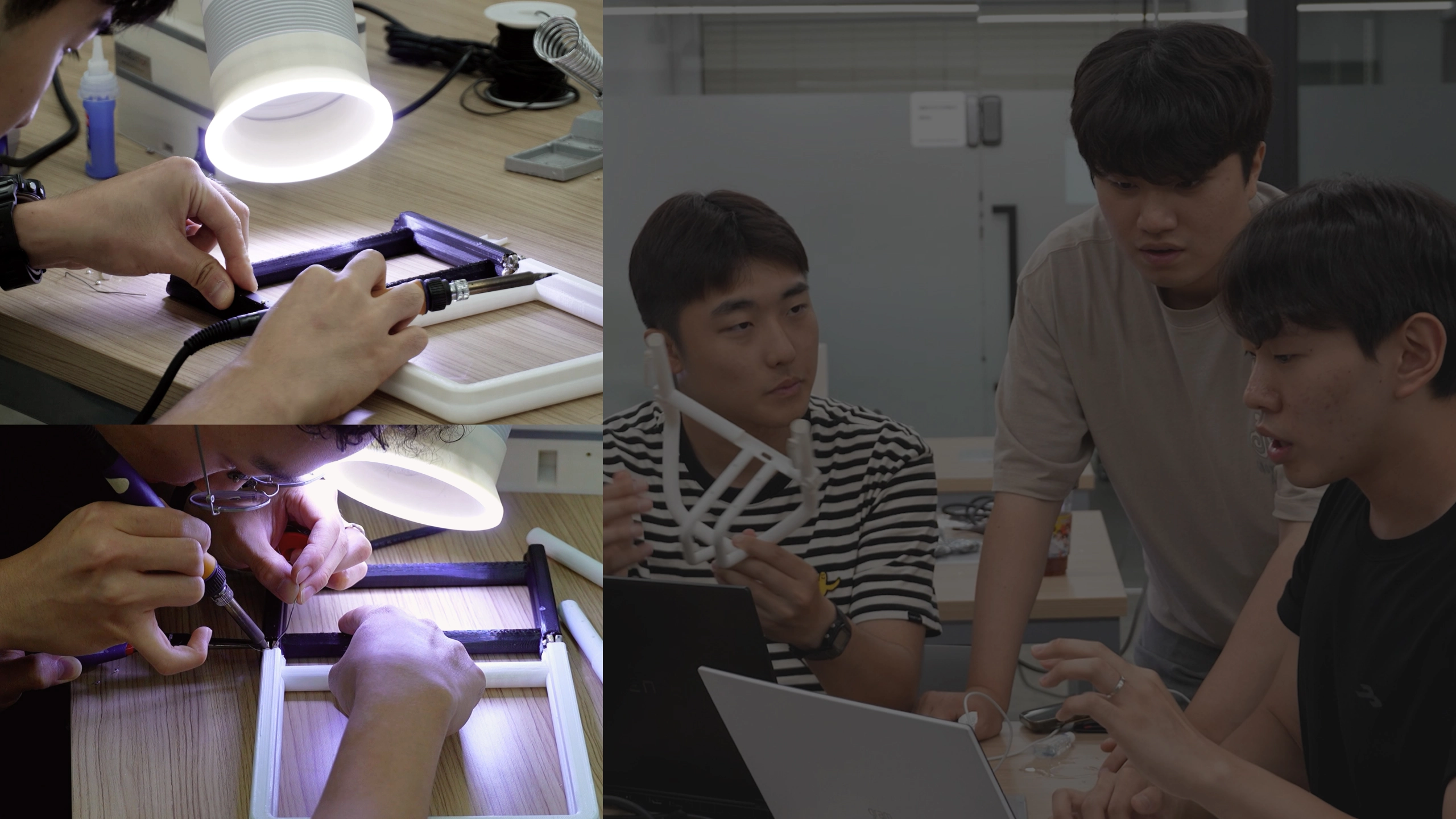
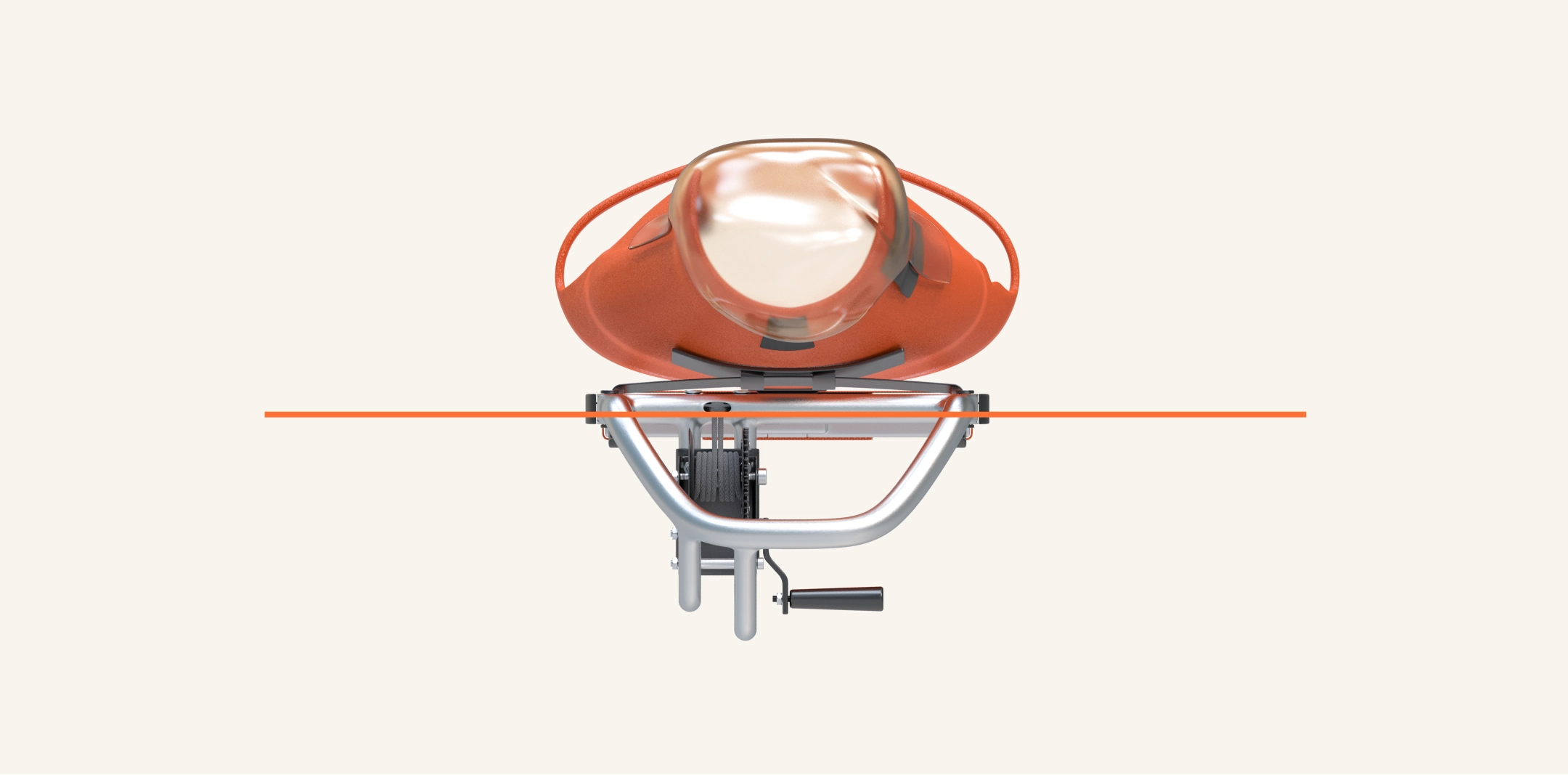
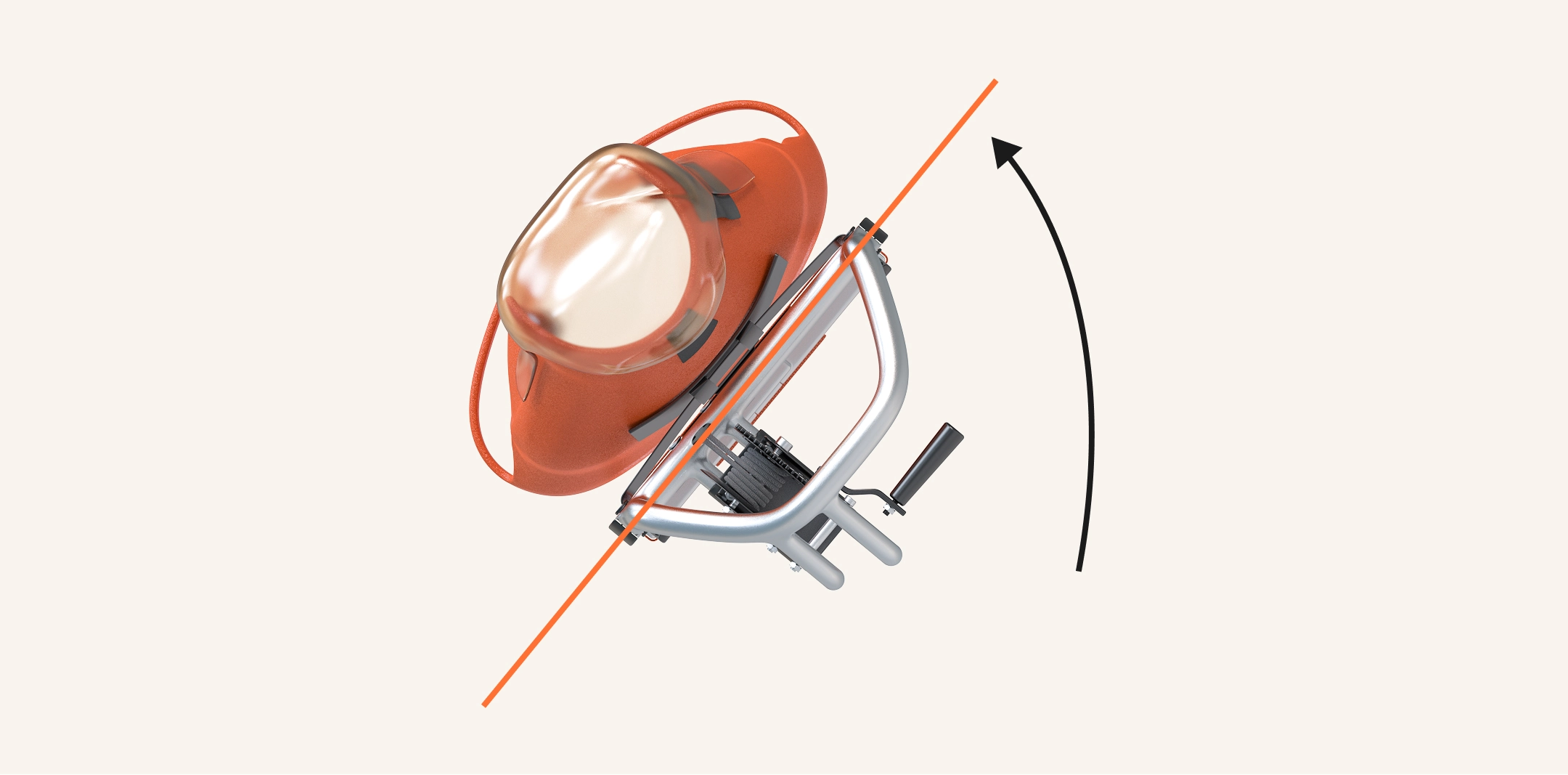
Tilting the stretcher in L shaped turns caused the gravity-dependent articulation to fail due to wire slack.
Integrating elastic bands provides continuous tension across all angles, ensuring reliable bending even during sideways navigation.
L자형 통로에서 들것을 옆으로 기울이면 중력 의존성으로 인해 와이어 장력이 풀리는 한계가 있었습니다.
각 마디에 탄성 밴드를 추가해 들것의 기울기와 무관하게 상시 장력을 유지시킴으로써, 측면 이송 시에도 안정적인 굴절과 통과 성능을 확보했습니다.
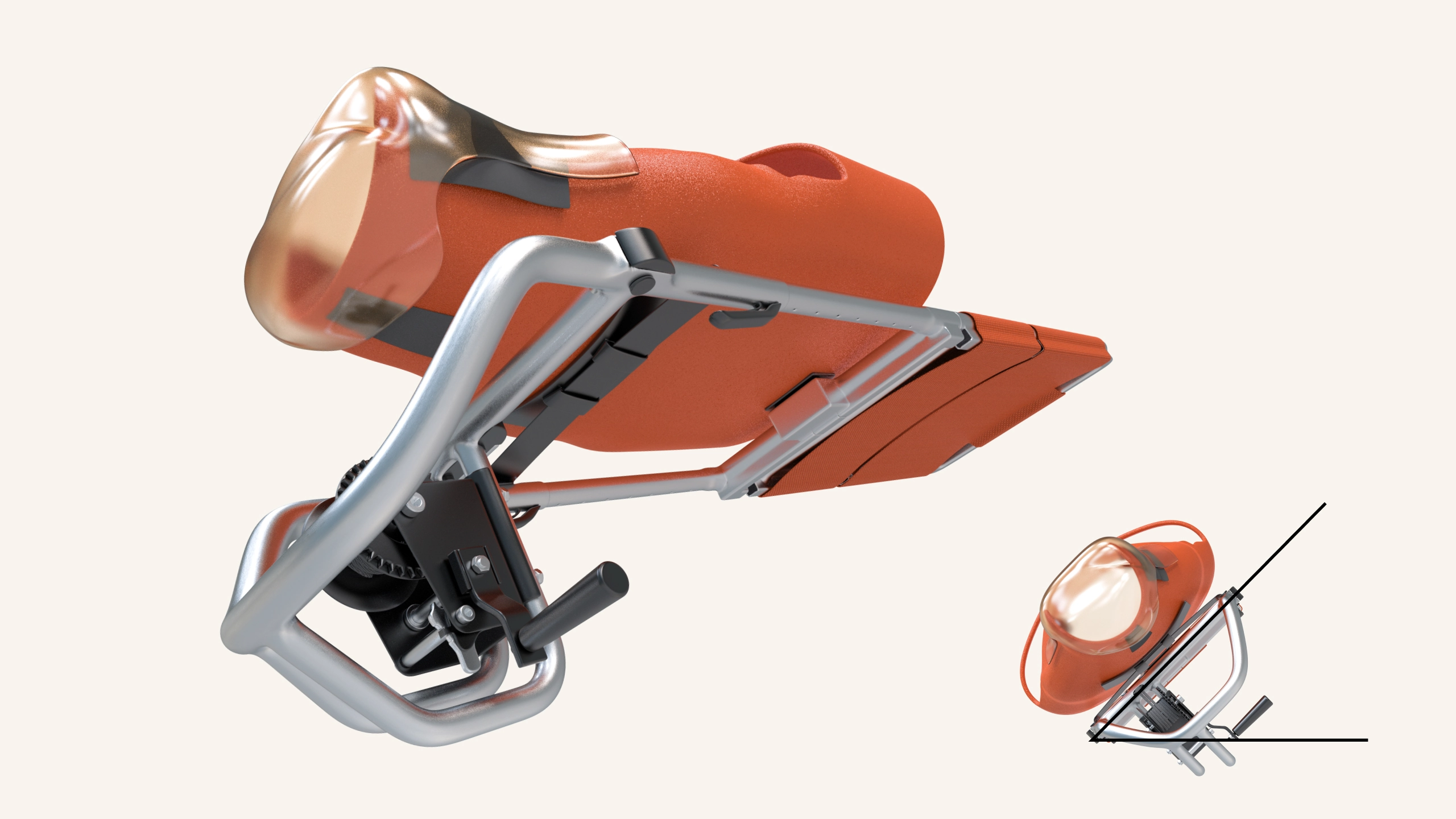
Testing in L shaped tunnels revealed that tilting the stretcher sideways caused the winch wire to lose tension, compromising segment articulation.
L자형 통로 테스트 결과, 들것을 측면으로 기울였을 때 와이어 장력이 풀려 하체 관절의 굴절 성능이 저하되는 한계가 확인되었습니다.
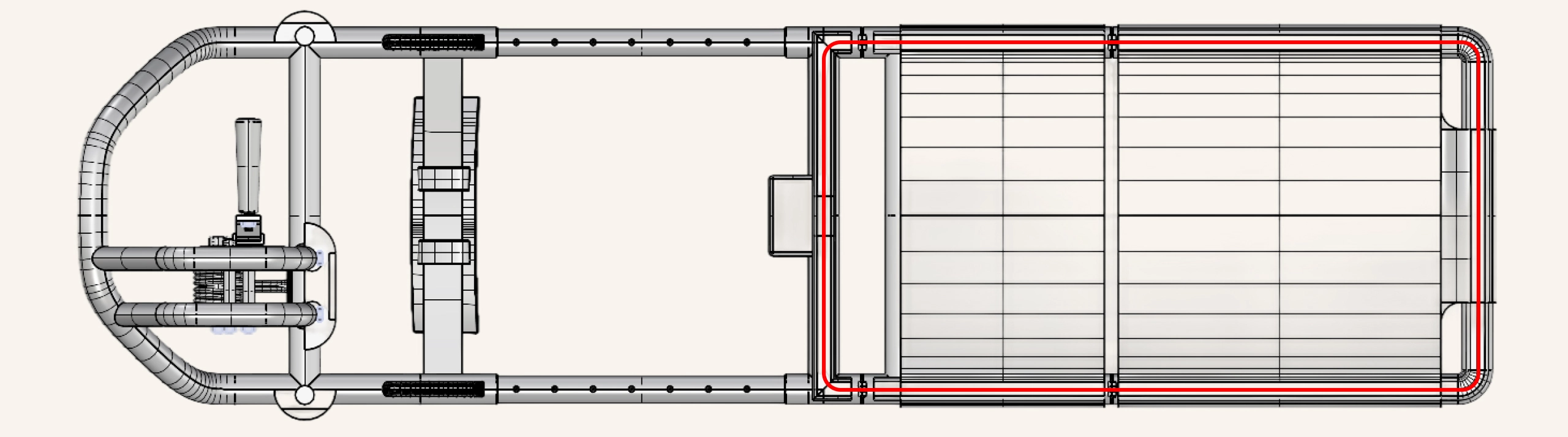
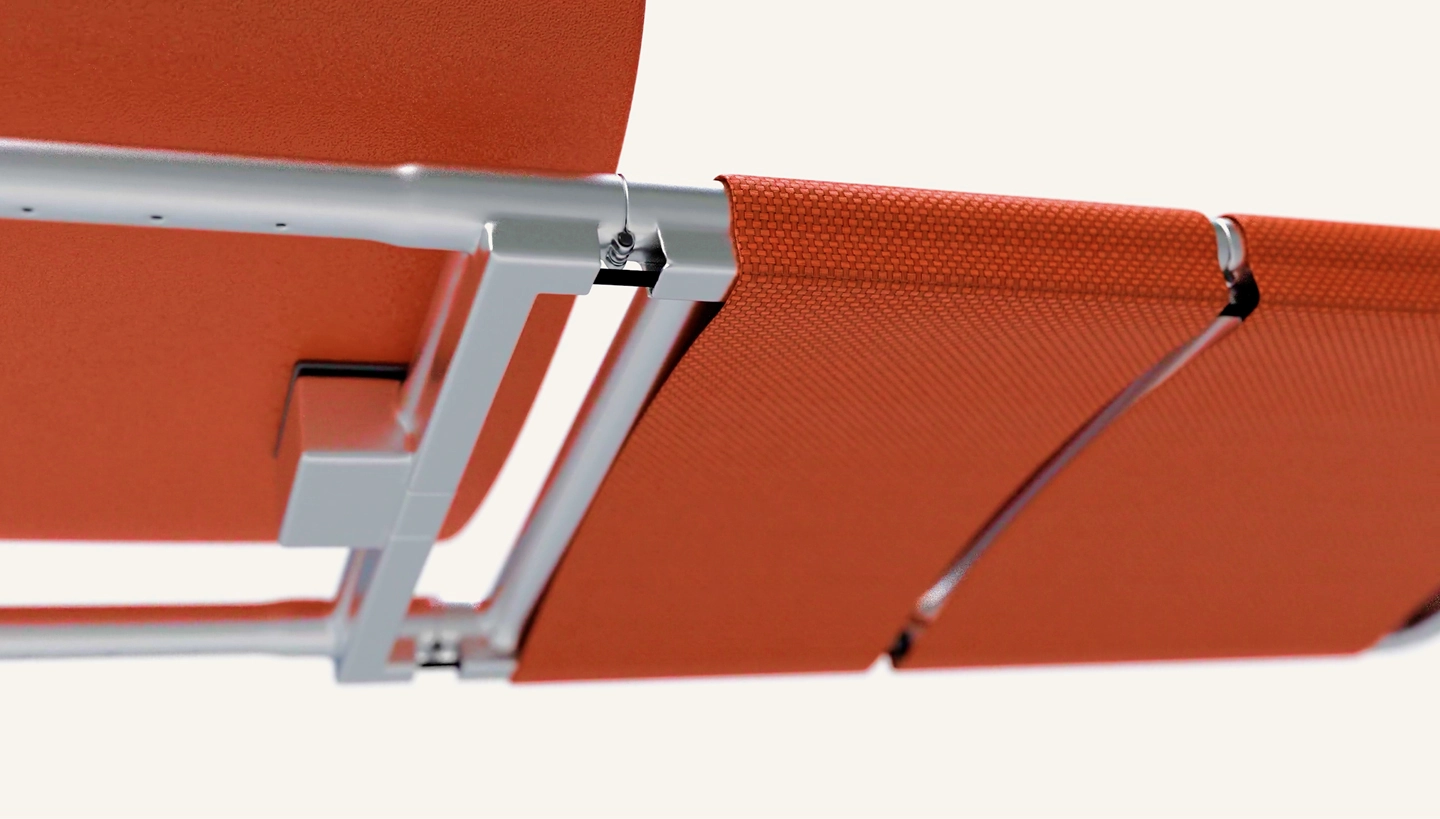
Gravity-Independent Tension System
for Complex Maneuverability
Because bending relied strictly on gravity, tilting disabled the mechanism.
Integrating elastic tension bands across segments provides continuous force regardless of orientation, guaranteeing dependable articulation through the tightest spaces.
굴절 메커니즘이 전적으로 중력에 의존하던 문제를 해결하기 위해 각 마디에 탄성 밴드를 결합했습니다.
들것의 기울기와 무관하게 지속적인 장력을 가해 가장 협소한 공간에서도 안정적인 관절 구동과 이송을 보장합니다.
2026.01 - 2026.09
Jaeyoon Lee
Jinmo Lee
Jehyeon Lee
Jaeyoon Lee